Orthodontics · 8 min read
External Root Resorption: Why a Tooth Root Can Gradually Shorten
- Written by
- 1PleasantonDentist Editorial Team, Editorial team
- Reviewed by
- Editorial team
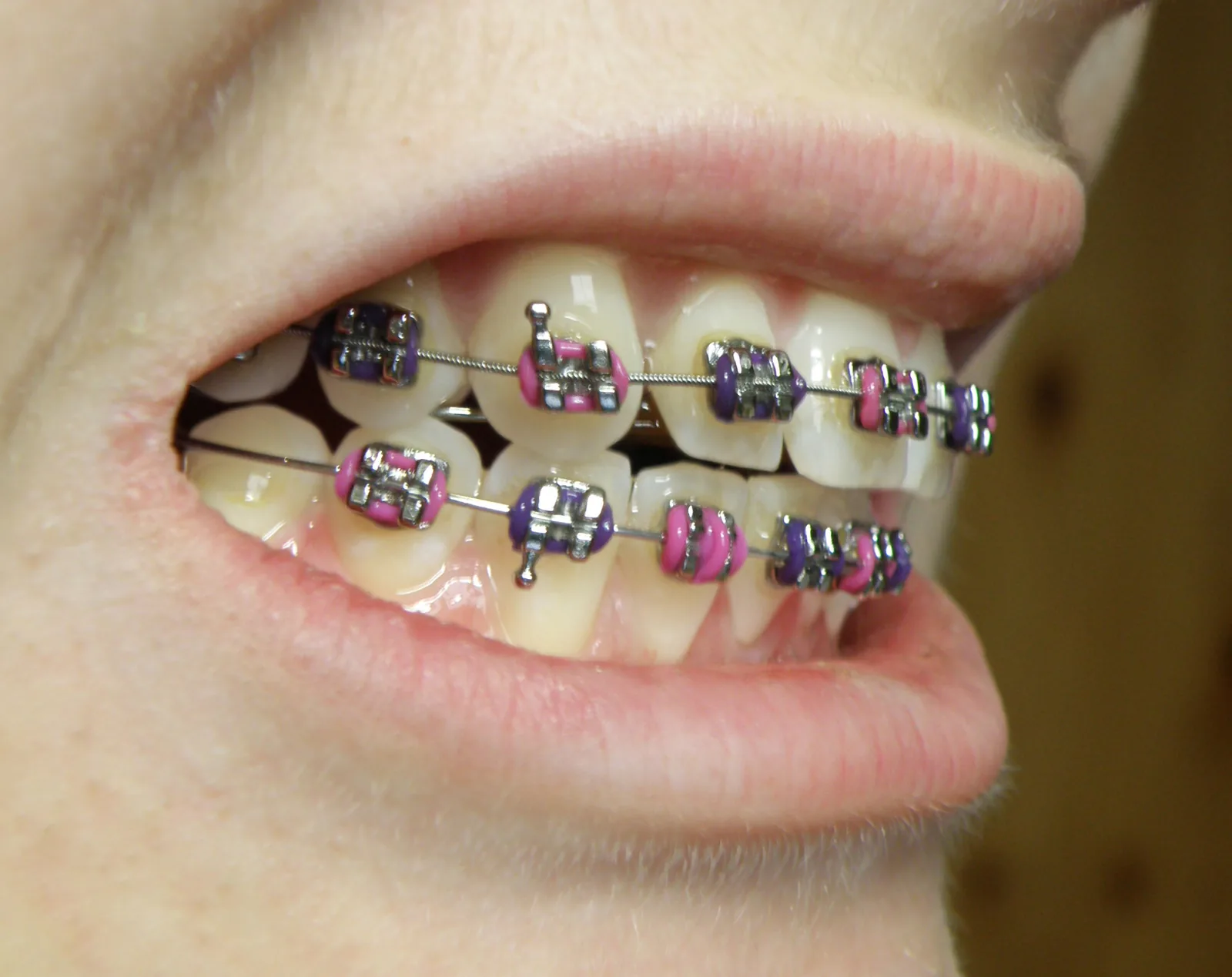
Image: MAKY.OREL · BY-SA 3.0 · Source
Unlike resorption from inside the tooth, this version starts at the outer root surface and has its own distinct set of causes, including orthodontic treatment.
What Is External Root Resorption?
External root resorption is a process where cells on the outer surface of a tooth root begin breaking down the root structure from the outside, gradually shortening or otherwise damaging the root over time.
What Causes External Root Resorption?
Orthodontic tooth movement is one of the most commonly discussed causes, since the pressure applied during orthodontic treatment can, in some individuals, trigger a degree of root resorption as a side effect. Trauma to a tooth, chronic inflammation from nearby infection, certain cysts or tumors pressing against a root, and in some cases, no clearly identifiable specific cause are also recognized contributors.
Is Some Degree of Root Resorption Normal During Orthodontic Treatment?
Yes, a small, generally clinically insignificant amount of root resorption is actually a fairly common finding after orthodontic treatment, and it's only when resorption becomes more significant, threatening the tooth's long-term stability, that it becomes a more meaningful clinical concern.
How Is External Root Resorption Diagnosed?
This is identified through a dental X-ray, showing a shortened or irregular root shape compared to what would be expected, sometimes monitored specifically during orthodontic treatment through periodic imaging to track any changes.
Does External Root Resorption Cause Symptoms?
Often, no, particularly milder cases, which are frequently identified only through imaging rather than because of any symptom, though more significant resorption affecting a tooth's stability could eventually contribute to looseness in advanced cases.
Can External Root Resorption Be Stopped Once It Starts?
This depends on the underlying cause — resorption related to ongoing orthodontic force may improve once that specific pressure is adjusted or treatment is completed, while resorption related to a persistent cause, like a nearby cyst, requires addressing that underlying source directly to halt further progression.
Is External Root Resorption Reversible?
No, similar to how internal resorption doesn't reverse, tooth root structure that has already been resorbed doesn't regenerate, meaning the focus of management is stopping further progression rather than restoring what's already been lost.
Does Everyone Undergoing Orthodontic Treatment Experience Significant Root Resorption?
No, most people undergoing orthodontic treatment experience minimal, clinically insignificant resorption, while a smaller subset of individuals experience more noticeable resorption, related partly to individual biological variation in susceptibility and partly to specific factors like the amount and type of force used during treatment.
Can Orthodontists Monitor for This During Treatment?
Yes, periodic X-rays during longer orthodontic treatment courses allow monitoring for any significant resorption, and if concerning changes are identified, your orthodontist may adjust the treatment approach, such as modifying force levels or treatment pace, to help minimize further progression.
What Happens If Root Resorption Becomes Significant Enough to Threaten a Tooth?
In more severe cases, where a substantial portion of the root has been lost, the tooth's long-term stability can become a genuine concern, potentially requiring closer monitoring, splinting to nearby teeth for additional support, or in the most significant cases, planning for the tooth's eventual loss and replacement.
Should You Ask Your Orthodontist About This Risk Before Starting Treatment?
This is a reasonable topic to discuss, understanding that while some degree of resorption is a recognized, generally minor and expected possibility with orthodontic treatment, significant resorption is uncommon, and your orthodontist can discuss any specific individual risk factors relevant to your case.