Orthodontics · 8 min read
Interceptive Orthodontics: Why Some Kids Start Treatment So Early
- Written by
- 1PleasantonDentist Editorial Team, Editorial team
- Reviewed by
- Editorial team
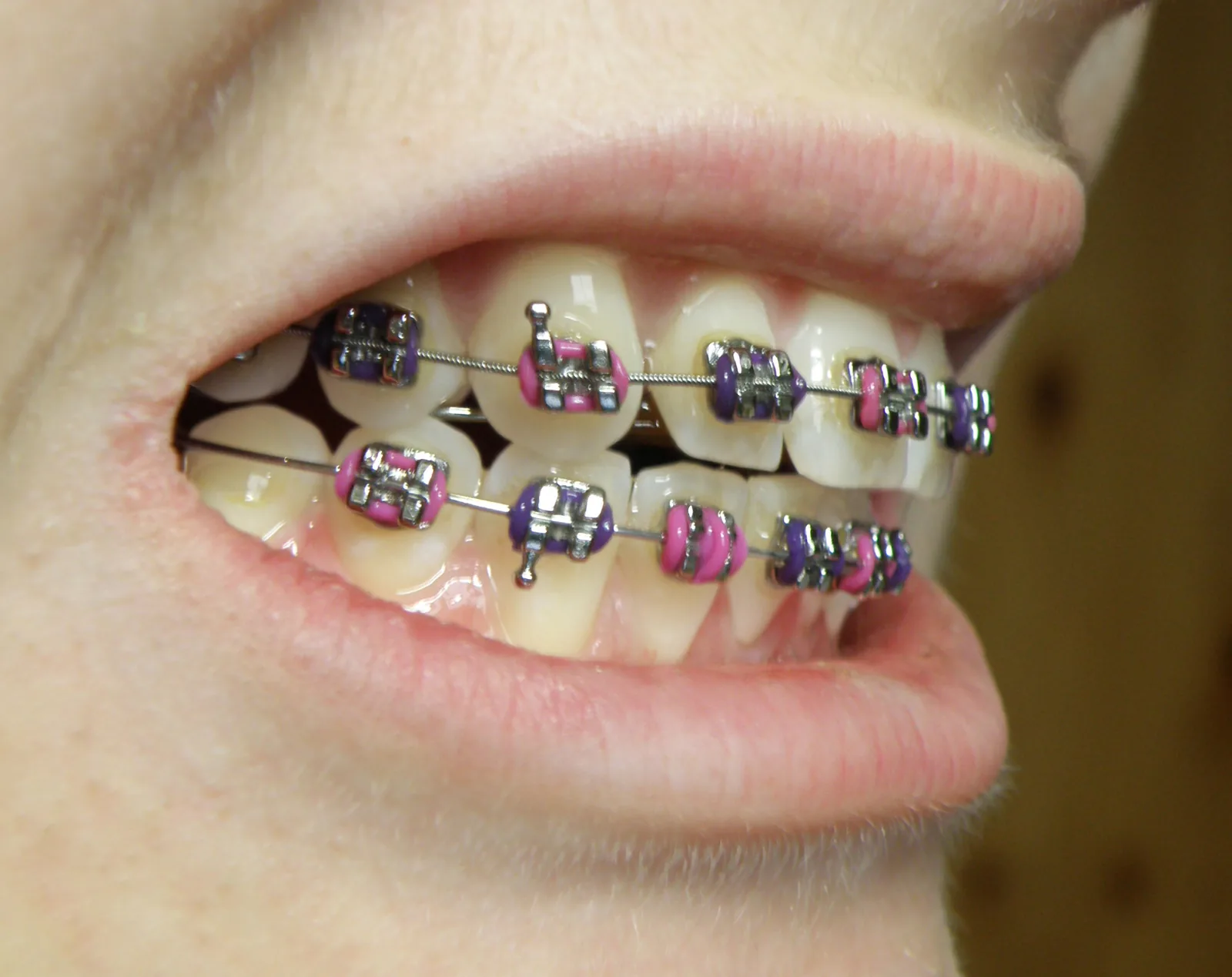
Image: MAKY.OREL · BY-SA 3.0 · Source
Phase 1 orthodontic treatment addresses specific issues while a child still has baby teeth, working with growth rather than waiting until it's finished.
What Is Interceptive Orthodontics?
Interceptive orthodontics, commonly called Phase 1 treatment, refers to earlier orthodontic intervention, typically in a child's mixed dentition stage while baby and permanent teeth are both present, aimed at addressing specific developing issues while a child's growth can still be actively guided.
Why Would Treatment Start Before All Permanent Teeth Have Arrived?
Certain problems, particularly those related to jaw growth and available space, are more effectively and efficiently addressed during specific windows of active growth, meaning waiting until all permanent teeth have erupted could mean missing the opportunity to guide development in a way that's simply not available once growth is more complete.
What Specific Issues Does Interceptive Treatment Commonly Address?
A significantly narrow upper jaw benefiting from expansion, severe crowding where guiding available space early can prevent more extensive crowding later, an underbite where jaw growth guidance is more effective earlier, and habits like prolonged thumb sucking affecting developing bite are common reasons for this earlier intervention.
Does Every Child Need Phase 1 Treatment?
No, this is specifically recommended for children with particular identified issues genuinely benefiting from early intervention, meaning many children don't need this earlier phase and instead have their orthodontic needs, if any, addressed in a single, later comprehensive treatment phase once more permanent teeth have erupted.
What Does Phase 1 Treatment Typically Involve?
This varies based on the specific issue being addressed, but might include a palatal expander for a narrow jaw, a partial set of braces addressing specific teeth, a habit-breaking appliance, or a functional appliance addressing jaw growth, tailored to the particular concern identified.
Does Phase 1 Treatment Mean a Child Won't Need Braces Later?
Not necessarily — Phase 1 treatment often addresses a specific, particular issue, with many children still needing a later Phase 2 treatment, typically full braces once more permanent teeth have erupted, to achieve final, comprehensive alignment, meaning Phase 1 is often one part of an overall, multi-stage treatment plan rather than a complete, standalone solution.
How Long Does Phase 1 Treatment Typically Last?
This varies by the specific issue and appliance used, but often continues for several months to about a year, followed by a resting period before Phase 2, if needed, begins once appropriate permanent teeth have erupted.
Is There Strong Consensus Among Orthodontists About When Interceptive Treatment Is Genuinely Needed?
This is a nuanced area where thoughtful orthodontists carefully evaluate whether a specific case genuinely benefits from earlier intervention versus waiting for a single, later comprehensive treatment phase, meaning seeking an orthodontist's individualized assessment, and considering a second opinion for a significant treatment recommendation, is reasonable if you have questions about the specific recommendation for your child.
At What Age Is Interceptive Orthodontic Evaluation Typically Recommended?
Many orthodontic organizations suggest a first orthodontic evaluation around age seven, which allows an orthodontist to identify developing issues that might benefit from interceptive treatment, even if actual treatment doesn't begin until sometime later, if at all.
Does Interceptive Treatment Cost Extra Compared to Waiting for a Single Treatment Phase?
This can involve a somewhat higher overall total cost given the two-phase approach compared to a single treatment phase, though for cases genuinely benefiting from early intervention, this reflects the value of addressing the issue during the appropriate developmental window rather than an unnecessary added cost.