Orthodontics · 8 min read
Jaw Surgery: When Braces Alone Aren't Enough to Fix Your Bite
- Written by
- 1PleasantonDentist Editorial Team, Editorial team
- Reviewed by
- Editorial team
Image: ZSpeed · BY-SA 3.0 · Source
Some bite problems need more than braces. Here's how jaw surgery works, what recovery involves, and how to handle a broken bracket or wire in the meantime.
What Is Orthognathic (Jaw) Surgery?
The jawbones, like any bone, can grow in ways that create a mismatch between the upper and lower jaw — one too far forward, one too far back, or uneven in a way that affects how the teeth meet and how the face looks. Braces can move teeth within the jawbone, but they can't move the jawbone itself. When the actual skeletal structure is the source of the problem, surgery becomes the tool that addresses what orthodontics alone cannot.
### Types of Jaw Surgery
Upper jaw surgery (maxillary surgery) repositions the upper jawbone, often used when it's set too far back, too far forward, or unevenly compared to the lower jaw. Lower jaw surgery (mandibular surgery) repositions the lower jawbone, commonly used for significant overbites or underbites caused by the lower jaw being too far back or too far forward. Chin surgery (genioplasty) is sometimes performed alongside jaw surgery to adjust the chin's position and improve overall facial balance once the jaws themselves are correctly aligned.
### Conditions Jaw Surgery Treats
Jaw surgery is typically considered for significant bite discrepancies that braces alone can't correct, noticeable facial asymmetry related to jaw position, difficulty chewing or speaking clearly due to how the jaws meet, chronic jaw pain related to a significant bite misalignment, and in some cases, sleep apnea related to jaw structure, where repositioning the jaw can help open the airway.
Why Jaw Surgery Is Done
The underlying goal is almost always to correct a functional problem — how the teeth meet, how the jaw moves, how well a person can chew and speak — though the resulting change in facial profile is a real and often welcomed side effect for a lot of patients. It's worth understanding that jaw surgery is generally recommended when there's a genuine skeletal mismatch, not simply as a more dramatic alternative to braces for people who could achieve their goals with orthodontics alone.
How to Prepare for Jaw Surgery
Preparation for jaw surgery is a longer process than most people expect. It's common to wear braces for many months, sometimes over a year, before surgery even happens, since the teeth need to be positioned correctly within each jaw first so that after the jawbones are repositioned surgically, the teeth from the upper and lower jaw will actually fit together properly. Detailed imaging, including 3D scans, is used to precisely plan the surgical movements. Your surgical team will also review your overall health, discuss anesthesia, and give you specific instructions about eating, medications, and other preparation steps in the weeks leading up to surgery.
The Jaw Surgery Procedure
### Upper Jaw Surgery
The upper jawbone is carefully cut and repositioned into the corrected location, then secured with small plates and screws that hold it in the new position while it heals and fuses.
### Lower Jaw Surgery
Similarly, the lower jawbone is cut, repositioned, and secured with plates and screws. Depending on the case, this may be done on one side, both sides, or in combination with upper jaw surgery in the same operation.
### Chin Surgery
If chin surgery is part of your treatment, the chin bone is repositioned and secured, typically performed at the same time as jaw surgery to achieve the most balanced, coordinated result rather than as a separate later procedure.
Benefits and Success Rate of Jaw Surgery
For patients with genuine skeletal jaw discrepancies, jaw surgery is generally considered a highly effective, well-established procedure for correcting bite function and improving facial balance, with a long track record in oral and maxillofacial surgery. Beyond the functional bite correction, many patients report meaningful improvements in chewing ability, speech clarity, and in cases involving sleep apnea, breathing during sleep.
Risks and Complications
As with any major surgery, there are risks including infection, bleeding, and reactions to anesthesia. There's a risk of temporary or, in rare cases, longer-lasting numbness in the lip, chin, or cheek area if nerves near the surgical site are affected. Some degree of swelling and discomfort during recovery is expected and not itself a complication, but your surgical team will discuss the more serious, less common risks specific to your case during your consultation.
Jaw Surgery Recovery and Results
### What to Expect During Recovery
Initial recovery, including significant swelling and a liquid or soft-food diet, typically spans the first few weeks after surgery. Full healing of the jawbone itself, where the bone has completely fused in its new position, generally takes several months. Braces are often kept on for a period after surgery to make final, fine-tuning adjustments to the bite once the jaw has healed, before the entire orthodontic treatment is considered complete.
Orthodontic Emergencies
Not every orthodontic problem requires a trip to a jaw surgeon. Most orthodontic emergencies are far more minor and can often be managed with a quick call to your orthodontist and some simple at-home steps in the meantime.
### Broken Brackets or Wires
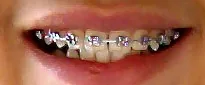
If a bracket comes loose but is still attached to the wire, it usually isn't a true emergency, though it's worth calling your orthodontist to schedule a repair, since a loose bracket isn't actively moving your teeth as intended. If a wire is poking and irritating your cheek or gum, covering the end with orthodontic wax, or in a pinch, a small piece of clean gauze, can reduce irritation until you're seen. Never attempt to cut a wire yourself with household scissors or pliers, since this can create sharp edges or cause you to accidentally swallow a small piece.
### Teeth Shifting After Braces
Noticing your teeth have shifted after finishing orthodontic treatment usually points back to inconsistent retainer wear rather than a true emergency. It's worth contacting your orthodontist to evaluate how much shifting has occurred and whether your current retainer still fits or whether some additional treatment is needed to correct the relapse.
When to Call Your Doctor or Orthodontist
For jaw surgery patients, contact your surgical team if you notice worsening swelling rather than gradual improvement, signs of infection like fever or unusual discharge, numbness that isn't improving over the expected timeline, or difficulty breathing or swallowing. For orthodontic patients generally, reach out for a broken bracket, a persistently poking wire that wax isn't managing, or pain that's worsening rather than settling down after an adjustment.
Frequently Asked Questions About Jaw Surgery
How long does jaw surgery recovery take before I look and feel normal again? Initial visible swelling typically improves significantly within the first few weeks, though some patients notice subtle swelling changes for several months. Full internal bone healing generally takes a few months, and your surgical and orthodontic team will guide you through when each phase of recovery is considered complete.
Will jaw surgery change how I look? Yes, often noticeably, since repositioning the jawbones directly affects facial profile and proportion. This change is usually intentional and planned collaboratively between you and your surgical team as part of correcting the underlying bite and skeletal issue, not an unplanned side effect.
Is jaw surgery painful? The surgery itself is performed under general anesthesia, so you won't feel it happening. Recovery involves real discomfort and swelling, generally managed with prescribed pain medication in the initial days, gradually tapering as healing progresses, similar to recovery from other significant oral surgeries.
Can I eat normally right after jaw surgery? No, a liquid or very soft diet is typically required for a period after surgery while the jaw begins healing, gradually progressing to more solid foods as your surgical team clears you to advance your diet. This timeline varies by individual healing and the specific surgery performed.
Do I still need braces after jaw surgery? Often, yes, at least for a period afterward. Braces are commonly used both before surgery, to align the teeth within each jaw, and after surgery, to make final adjustments to the bite once the jawbones have healed in their new position.