
Orthodontics · 8 min read
Lingual Braces: The Braces Nobody Can See From the Front
- Written by
- 1PleasantonDentist Editorial Team, Editorial team
- Reviewed by
- Editorial team
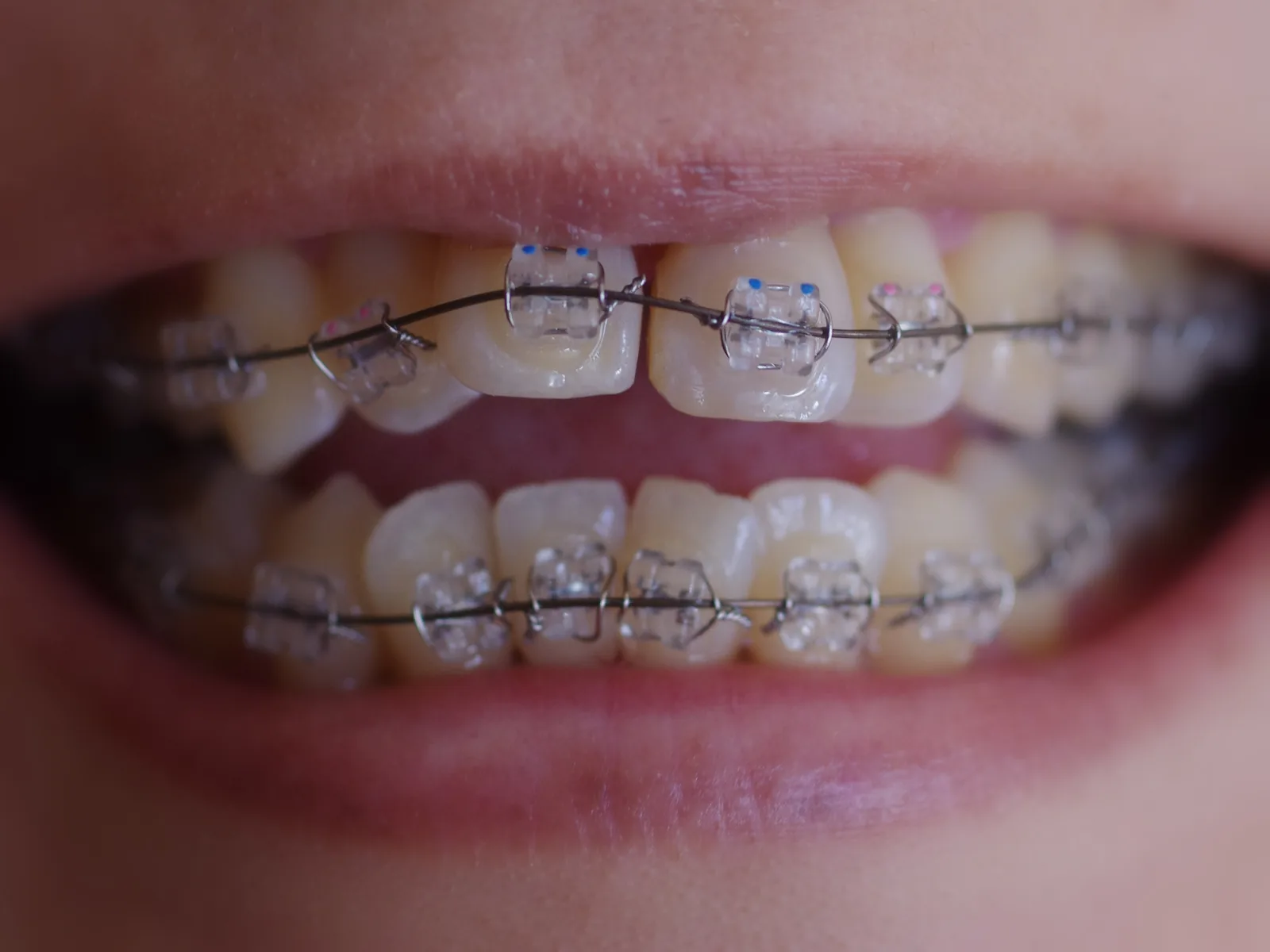
Image: Tamaki Sono · BY 2.0 · Source
Placed behind your teeth instead of in front, lingual braces are the most hidden option available. Here's what that trade-off actually involves.
What Makes Lingual Braces Different?
Rather than being bonded to the front surface of your teeth like traditional or ceramic braces, lingual braces are attached to the back surface, facing your tongue, making them essentially invisible when you smile or talk, visible only if someone were to look directly into your open mouth.
How Do They Work Mechanically?
The underlying mechanism is the same as any fixed braces — brackets connected by a wire that applies steady, continuous pressure to gradually move your teeth into position. The only fundamental difference is which side of the tooth the hardware is attached to.
The Tongue Adjustment Period
This is the most commonly discussed trade-off. Since the brackets sit where your tongue naturally rests and moves, many people experience a noticeable adjustment period affecting speech, sometimes described as a temporary lisp, and some initial tongue irritation as your mouth adapts to the new hardware in this less typical location.
How Long Does the Adjustment Take?
This varies by individual, but many people find speech and comfort noticeably improve within the first few weeks as their tongue adapts to the presence of the brackets, similar to how any braces require some adjustment period, just with a somewhat different specific adjustment in this case.
Is Cleaning More Difficult With Lingual Braces?
Many people find cleaning around lingual braces somewhat more challenging than front-facing braces, partly because the placement is harder to see directly in a mirror, requiring more reliance on feel and technique, though the same fundamental tools — floss threaders, interdental brushes — remain useful.
Cost Comparison
Lingual braces are generally the most expensive orthodontic option among common choices, reflecting the more specialized, customized placement technique and the additional time and expertise required to work effectively on the back tooth surfaces.
Are Lingual Braces Right for Every Case?
Not every orthodontic case is well suited to lingual braces, since certain types of tooth movement can be more challenging to achieve from this specific positioning. Your orthodontist will evaluate whether your particular correction needs are appropriate for this approach or whether a different option would be more effective for your case.
Comfort Compared to Front-Facing Braces
Beyond the tongue adjustment, day-to-day comfort with lingual braces is generally comparable to other braces once the initial adjustment period passes, involving similar soreness after adjustments as any fixed orthodontic appliance.
Who Typically Chooses Lingual Braces?
Adults in particularly public-facing professional roles, performers, or anyone for whom complete invisibility during treatment is a top priority often choose this option specifically, being willing to accept the higher cost and initial speech adjustment in exchange for treatment that's genuinely undetectable from the front.
How Do Appointments Differ?
Adjustment appointments follow a similar schedule to traditional braces, though your orthodontist needs specific additional training and experience with this technique, meaning not every orthodontic practice offers lingual braces, which is worth confirming before assuming this option is universally available.