Orthodontics · 8 min read
Mouth Breathing and Dental Development: The Connection Worth Watching
- Written by
- 1PleasantonDentist Editorial Team, Editorial team
- Reviewed by
- Editorial team
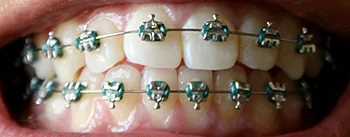
Image: Monica Nguyen from united states · BY 2.0 · Source
Chronic mouth breathing in children can actually influence how the jaw and face develop. Here's why dentists pay attention to breathing patterns.
Why Does Breathing Pattern Matter for Dental Development?
Normal nasal breathing is associated with a resting tongue position against the roof of the mouth, which provides a natural, gentle outward pressure helping guide proper palate width development. Chronic mouth breathing often changes this resting tongue position and posture, potentially affecting how the palate and jaw develop, particularly during childhood growth years.
What Causes Chronic Mouth Breathing in Children?
Enlarged tonsils or adenoids, chronic nasal congestion from allergies, a deviated septum, or other airway obstructions are common causes, since children experiencing genuine difficulty breathing through the nose naturally compensate by breathing through the mouth instead.
What Dental Effects Are Associated With Chronic Mouth Breathing?
Some research and clinical observation has associated chronic mouth breathing with a narrower upper jaw and palate, a longer facial appearance sometimes described as "long face syndrome" or adenoid facies, an increased likelihood of an open bite or crossbite, and dry mouth given the reduced natural moisture from breathing through the nose.
Does This Mean Every Mouth-Breathing Child Will Have Dental Problems?
No, this is a genuine association observed in research and clinical practice, particularly relevant for chronic, longstanding mouth breathing, but individual outcomes vary, and not every child who occasionally breathes through their mouth, such as during a temporary cold, will experience these developmental effects.
How Would a Dentist or Orthodontist Notice This Pattern?
During an exam, signs like a narrow upper arch, certain bite patterns, and sometimes visible signs like dry, chapped lips or a specific facial appearance associated with chronic mouth breathing might prompt a dentist to ask about breathing patterns and potentially recommend evaluation by an ENT specialist.
Should Chronic Mouth Breathing Be Addressed Medically?
Yes, if a child is chronically mouth breathing due to an underlying cause like enlarged tonsils, adenoids, or allergies, addressing that underlying medical cause, sometimes through allergy management or, in some cases, surgical removal of enlarged tonsils or adenoids, is the appropriate first step, coordinated with your child's pediatrician or an ENT specialist.
Is This Connection Well Established in Research?
The association between chronic mouth breathing and certain craniofacial development patterns is a genuinely recognized area of both dental and medical research and clinical observation, though the exact mechanisms and the degree of influence in every individual case continue to be studied and aren't considered absolutely deterministic for every child.
Should Parents Bring Up Breathing Patterns at Dental Visits?
Yes, mentioning if your child regularly breathes through their mouth, snores, or seems to have chronic nasal congestion is valuable information for your pediatric dentist, since it can inform their assessment of your child's developing bite and jaw structure and prompt an appropriate referral if warranted.
Does Mouth Breathing in Adults Have the Same Developmental Implications?
Since jaw and palate development is largely complete by adulthood, chronic mouth breathing in adults doesn't carry the same developmental implications, though it remains relevant to other oral health considerations, like dry mouth and its associated cavity risk.
Can Addressing Mouth Breathing Early Prevent More Significant Orthodontic Needs Later?
In some cases, yes, identifying and addressing chronic mouth breathing during the relevant childhood growth window may help reduce the extent of orthodontic intervention needed later, though this depends on the individual case and how early the underlying cause is identified and addressed.