Orthodontics · 8 min read
Nickel Allergy and Dental Work: What to Tell Your Dentist and Orthodontist
- Written by
- 1PleasantonDentist Editorial Team, Editorial team
- Reviewed by
- Editorial team
Image: MAKY.OREL · BY-SA 3.0 · Source
Nickel shows up in braces, crowns, and other dental materials more often than people realize. Here's what a nickel allergy actually means for your treatment.
Where Does Nickel Show Up in Dental Materials?
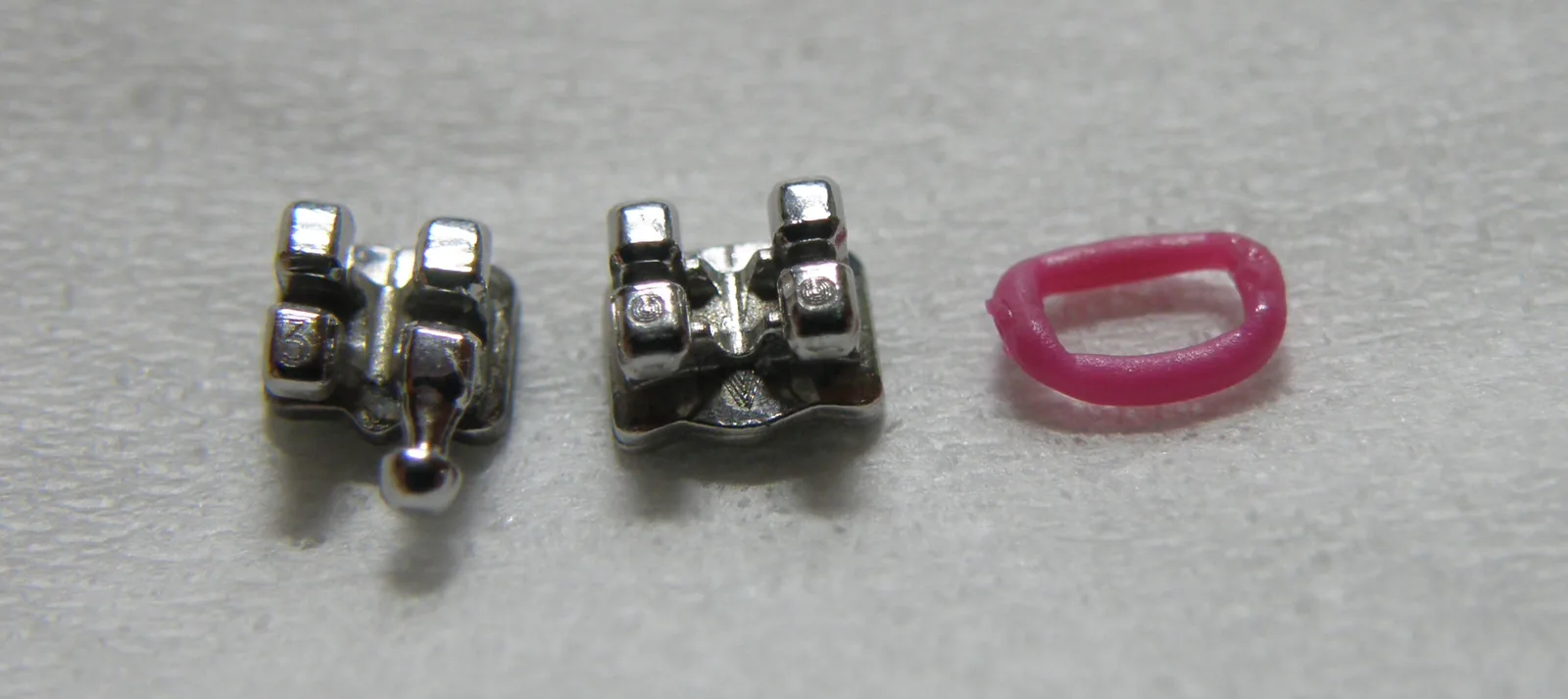
Certain orthodontic wires and brackets, some crown and bridge alloys, particularly older or less expensive options, and some other dental appliances have historically contained nickel as part of their metal composition, making this a genuinely relevant material consideration for people with a known sensitivity.
What Does a Nickel Allergy Reaction Look Like in the Mouth?
Symptoms can include localized redness, swelling, or irritation of the gum or oral tissue in contact with the nickel-containing material, and in some cases, a burning sensation or general discomfort in the affected area.
How Do You Know If You Have a Nickel Allergy?
Many people with a nickel allergy are already aware of it from reactions to jewelry or other everyday metal contact, such as with certain belt buckles or watch backs, though if you suspect a reaction specifically to dental material without a prior known allergy, patch testing through a dermatologist or allergist can confirm this.
Should You Tell Your Dentist and Orthodontist About a Known Nickel Allergy?
Yes, always disclose this before any treatment involving metal appliances or materials, since your provider can then specifically select nickel-free alternatives, avoiding the issue entirely rather than needing to address a reaction after it's already occurred.
Are There Nickel-Free Alternatives for Braces?
Yes, nickel-free or reduced-nickel orthodontic brackets and wires are available, and orthodontists experienced with metal-sensitive patients can plan treatment using these alternative materials from the start if you disclose your allergy during your initial consultation.
Are There Nickel-Free Alternatives for Crowns?
Yes, options like all-ceramic or zirconia crowns avoid nickel entirely, and even some metal-containing crown options use nickel-free alloys, making it worth specifically discussing material selection with your dentist if you have a known sensitivity.
Can a Nickel Allergy Develop Later, Even Without Prior Reactions to Other Nickel Exposure?
Yes, sensitization can develop over time with repeated exposure, meaning someone without a previously known nickel allergy could theoretically develop one, including potentially from dental material exposure itself, though this is less common than people already having a known sensitivity before dental treatment.
What Should You Do If You Suspect a Reaction to Existing Dental Work?
Contact your dentist to discuss your symptoms, since they can evaluate whether your specific dental work might be contributing and discuss whether replacement with a nickel-free alternative is appropriate if this seems likely to be the cause.
Is Nickel Allergy Common Enough to Be a Routine Screening Question?
Many dental and orthodontic intake forms do specifically ask about metal allergies, including nickel, as part of standard health history questions, reflecting how relevant and reasonably common this specific consideration is in dental treatment planning.
Does Titanium Contain Nickel?
Pure titanium, commonly used in dental implants, generally doesn't contain nickel and is considered a good option for people with nickel sensitivity, though it's still worth disclosing your specific allergy history to your provider to confirm the exact material being used for any specific treatment.
Can Children With a Nickel Allergy Still Get Braces?
Yes, with appropriate nickel-free material selection, children with this sensitivity can still receive orthodontic treatment, making disclosure of any known allergies to your child's orthodontist during the initial consultation an important step in planning their specific treatment.