Orthodontics · 8 min read
Orthodontic Elastics: Why Wearing Them Every Hour Actually Matters
- Written by
- 1PleasantonDentist Editorial Team, Editorial team
- Reviewed by
- Editorial team
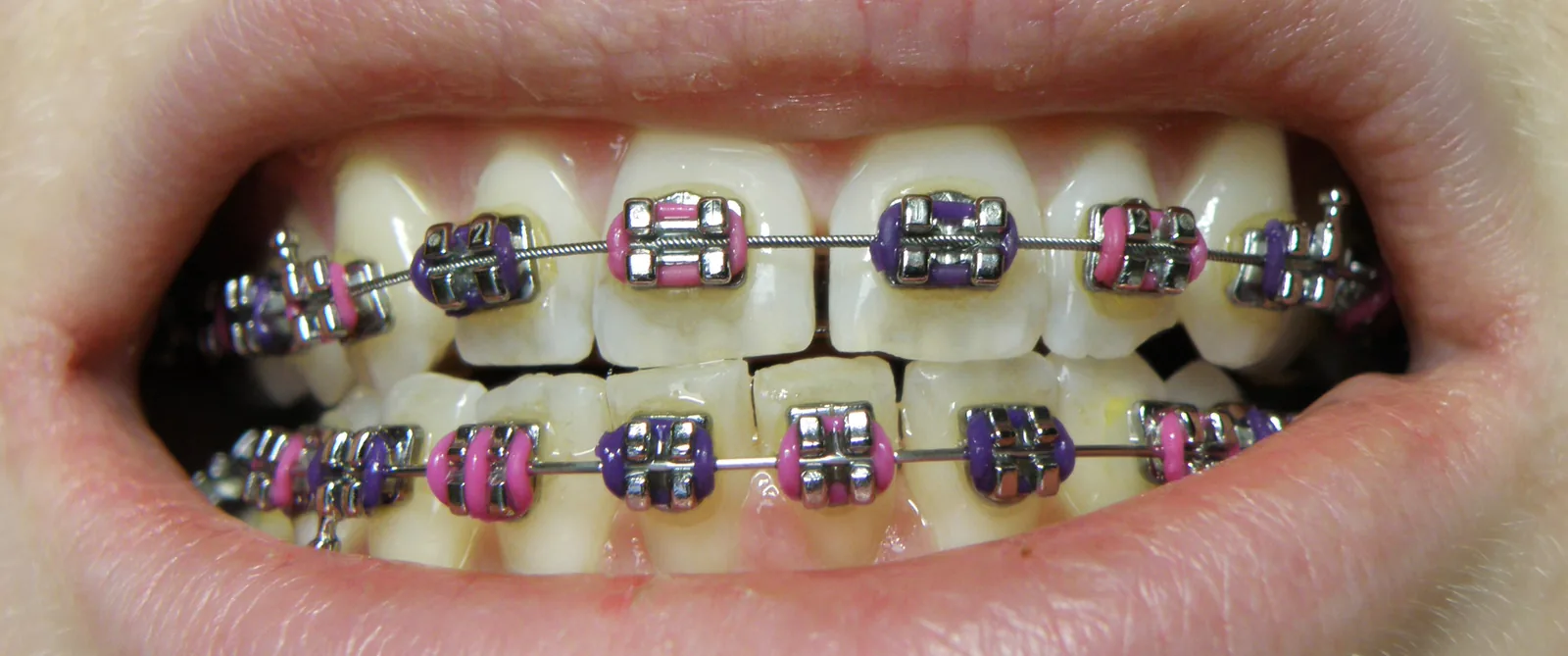
Image: MAKY.OREL · BY-SA 3.0 · Source
These small rubber bands do real, specific work coordinating how your upper and lower teeth move together, but only if worn consistently as directed.
What Are Orthodontic Elastics?
Orthodontic elastics, sometimes called rubber bands, are small elastic bands attached between specific points on your upper and lower braces, working alongside the brackets and wires to apply additional, specifically directed force to help correct your bite relationship.
Why Are Elastics Needed in Addition to Braces?
Braces and wires primarily move individual teeth within each dental arch, but coordinating how your upper and lower arches relate to each other, correcting an overbite, underbite, or other bite discrepancy, requires this additional, specifically directed force that elastics provide between the two arches.
How Do Elastics Actually Correct Bite Issues?
Depending on the specific configuration your orthodontist prescribes, elastics apply gentle, continuous force pulling the upper and lower teeth into a more correct relationship relative to each other, working gradually over time similar to how braces move individual teeth.
Why Does Consistent Wear Matter So Much for Elastics Specifically?
Elastics work through continuous, sustained force, meaning removing them frequently or for extended periods interrupts this consistent pressure, significantly reducing their effectiveness and often meaningfully extending how long your overall treatment takes to achieve the planned correction.
How Many Hours a Day Are Elastics Typically Prescribed to Be Worn?
Your orthodontist provides a specific recommendation for your case, but many prescriptions call for wearing elastics nearly continuously, often 20 or more hours daily, removing them only for eating and brushing, reflecting how important consistent wear genuinely is to their effectiveness.
Can You Eat With Elastics In?
Generally, no, elastics are typically removed for eating, then promptly replaced with a fresh pair afterward, since food particles and the mechanical action of chewing aren't compatible with keeping them in place during meals.
How Often Do Elastics Need to Be Replaced?
Elastics lose their elastic force over time and with use, meaning your orthodontist typically instructs you to replace them with a fresh pair multiple times per day, even if the previous pair doesn't look visibly damaged.
What Happens If You're Inconsistent With Wearing Your Elastics?
Inconsistent wear significantly reduces their effectiveness, often meaning your bite correction progresses more slowly than planned, or in some cases, doesn't achieve the intended result at all without truly consistent wear, which is genuinely one of the most common reasons orthodontic treatment timelines extend beyond original estimates.
Are There Different Elastic Configurations for Different Bite Issues?
Yes, your orthodontist selects a specific elastic pattern, connecting particular points between your upper and lower braces, tailored to your specific bite correction needs, meaning the exact configuration varies by individual case.
Can Wearing Elastics Cause Discomfort?
Some soreness, particularly when first starting or after switching to a new elastic pattern, is common and generally improves as your mouth adjusts, similar to the general adjustment period relevant to braces and orthodontic force generally.
Is It Ever Appropriate to Stop Wearing Elastics Without Consulting Your Orthodontist?
No, if you're having genuine difficulty tolerating your prescribed elastic wear, discussing this directly with your orthodontist, rather than simply stopping on your own, allows them to address the specific concern while still keeping your treatment progressing effectively.