Orthodontics · 8 min read
Retainers After Braces: Why You Still Need One and How to Care for It
- Written by
- 1PleasantonDentist Editorial Team, Editorial team
- Reviewed by
- Editorial team
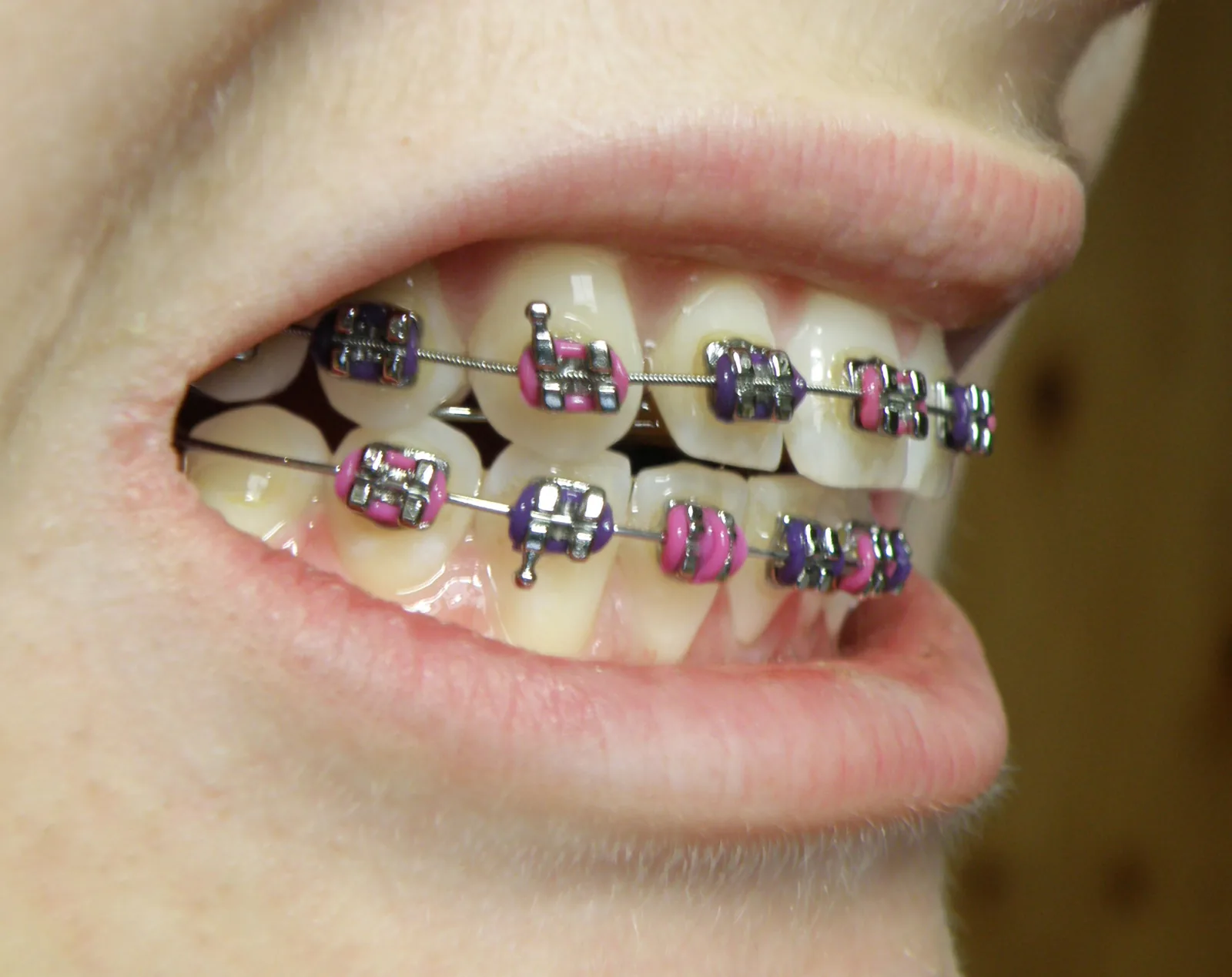
Image: MAKY.OREL · BY-SA 3.0 · Source
Finished with braces or Invisalign? Here's why retainers are non-negotiable, the different types available, and what happens if you stop wearing yours.
What Is a Retainer?
Unlike braces, which apply active pressure to shift teeth into new positions over time, a retainer is passive — it's shaped to match your teeth's current, corrected alignment and simply holds them there while the surrounding bone and gum tissue stabilize around that new position. Some retainers are removable, taken out for eating and cleaning, while others are a thin wire permanently bonded to the back of certain teeth.
Why Are Retainers Necessary?
Teeth aren't actually locked into place by anything rigid — they're held in the jawbone by ligaments that remain somewhat flexible even after orthodontic treatment ends. Right after braces come off, teeth are in a genuinely unstable phase where they can drift back toward their original position if nothing holds them in place, sometimes within just weeks or months. Wearing a retainer as directed gives the bone and surrounding tissue time to fully stabilize around the corrected position, which is why skipping this step can undo a meaningful portion of what braces or aligners just spent months or years achieving.
Types of Retainers Available
Essix retainers are clear, removable plastic trays that fit closely over your teeth, visually similar to a clear aligner tray. Hawley retainers are also removable, but use a combination of acrylic that sits against the roof of your mouth (or under your tongue for a lower retainer) along with a visible metal wire across the front of the teeth. Permanent retainers are a thin wire bonded directly to the back surface of certain teeth, most commonly the lower front teeth, and stay in place continuously rather than being removed daily. Many orthodontic patients end up with some combination of these — for example, a permanent lower retainer paired with a removable upper one.
How Are Retainers Fitted?
An impression or digital scan of your teeth is taken right after your braces come off or your aligner treatment is complete, capturing your teeth in their newly corrected position. Removable retainers are then custom-fabricated to fit that exact shape. A permanent retainer, if you're getting one, is bonded directly to the back of the relevant teeth during a relatively quick in-office procedure.
### Do Retainers Hurt?
Most people feel some mild pressure or tightness the first few times they wear a new retainer, similar to the feeling of a snug shoe, but this typically isn't described as painful and tends to ease within the first several days as you get used to it. If a retainer feels genuinely painful rather than just snug, or if it doesn't seem to fit the way it did initially, that's worth mentioning to your orthodontist.
### How Long Will You Wear a Retainer?
This varies by treatment plan, but many orthodontists recommend wearing a removable retainer full-time for a period after treatment, gradually reducing to nighttime-only wear over time. A meaningful number of orthodontists recommend some form of long-term, indefinite retainer wear, at least at night, since teeth can continue to shift gradually over the years even long after active treatment has ended. Permanent retainers, by design, stay in place continuously unless a dentist removes them.
Benefits and Risks of Wearing a Retainer
The clear benefit is preserving the investment of time and, often, real financial cost that went into your orthodontic treatment. The main risk isn't really from the retainer itself but from inconsistent use — a removable retainer that isn't worn as directed provides essentially none of its intended benefit, since it only works while it's actually in your mouth. Permanent retainers carry a small risk of the bonding coming loose over time, which is worth having checked at regular dental visits since a partially detached wire can sometimes irritate the tongue or gum tissue if not addressed.
Retainer Care and Maintenance
Removable retainers should be cleaned regularly, typically with a soft brush and either mild soap or a retainer-specific cleaning solution, avoiding hot water, which can warp the plastic. They should be stored in their case when not being worn, since a retainer left loose in a pocket, napkin, or backpack is a common and frustrating way for people to lose or damage them. Permanent retainers require careful flossing underneath the wire, often using a floss threader, since regular flossing technique doesn't easily reach behind a fixed retainer wire.
What Happens to Teeth Without a Retainer?
Without consistent retainer wear, teeth can gradually shift back toward their pre-treatment position, sometimes undoing a meaningful portion of the correction achieved during active orthodontic treatment. This doesn't necessarily mean teeth snap back to exactly where they started, but noticeable relapse is common enough that essentially every orthodontist treats retainer wear as a required part of the overall treatment plan, not an optional afterthought.
When to Call Your Orthodontist
Reach out if a removable retainer no longer fits comfortably, if you notice a permanent retainer feels loose or you can feel it moving, if a wire is poking or irritating your tongue or cheek, or if you notice your teeth visibly shifting despite wearing your retainer as directed. Catching a fit issue or slight shifting early is much easier to correct than addressing significant relapse after months of an unnoticed problem.
Frequently Asked Questions About Retainers
Can a retainer straighten teeth? Not in the same way braces or aligners do. A retainer is designed to hold teeth in a position they've already been moved into, not to actively shift teeth into a new position. If your teeth have shifted enough that you're hoping a retainer alone will correct it, that generally requires a new round of active orthodontic treatment rather than just a retainer.
Why does my retainer smell? This is almost always due to bacteria and plaque buildup on the retainer itself, similar to how any object regularly in your mouth can develop odor if not cleaned consistently. Regular cleaning with a soft brush and mild soap or a retainer cleaning solution, along with allowing it to fully dry when not in use, usually resolves this.
How long do retainers last before needing replacement? Removable retainers generally last several years with proper care, though they can wear out, crack, or stop fitting well over time, especially if teeth shift even slightly. Permanent retainers can last many years as well but should be checked periodically by your dentist for any signs of the bonding weakening.
Can I wear my old retainer if it's been years since I finished orthodontic treatment? This depends on how much, if any, your teeth have shifted since you stopped wearing it regularly. An old retainer that no longer matches your current tooth position can feel very tight or simply not fit at all, and forcing an ill-fitting retainer isn't recommended. If it's been a long time, it's worth having your orthodontist check your teeth before assuming an old retainer will still work.
Is it normal for a permanent retainer to feel like it's moving with my tongue? A properly bonded permanent retainer generally shouldn't move independently, though you may feel its presence with your tongue, especially soon after it's placed. If it genuinely feels like it's shifting or coming loose, rather than just being noticeable, that's worth having checked by your orthodontist.