
Orthodontics · 8 min read
Tongue Thrust: The Swallowing Pattern That Can Undo Orthodontic Work
- Written by
- 1PleasantonDentist Editorial Team, Editorial team
- Reviewed by
- Editorial team
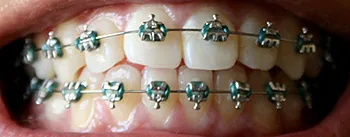
Image: Monica Nguyen from united states · BY 2.0 · Source
A persistent forward-pushing tongue habit during swallowing can contribute to an open bite and even cause orthodontic relapse if left unaddressed.
What Is Tongue Thrust?
Tongue thrust refers to a swallowing pattern where the tongue pushes forward against or between the front teeth during swallowing, rather than pressing up against the roof of the mouth the way a typical, mature swallowing pattern does.
Is Tongue Thrust Normal in Infants?
Yes, this forward tongue pattern is actually the normal, expected swallowing pattern in infants, related to their anatomy and the mechanics of nursing, and it's generally expected to transition to the more typical adult pattern as a child develops.
When Does Tongue Thrust Become a Concern?
If this infantile swallowing pattern persists well beyond the age when the typical transition should occur, generally into later childhood, it's considered an orofacial myofunctional disorder warranting attention, since the ongoing forward pressure can genuinely affect dental development and alignment.
How Does Persistent Tongue Thrust Affect Teeth?
The repeated forward pressure during every swallow, which happens hundreds of times daily, can contribute to an open bite, where the front teeth don't properly meet, and can push front teeth forward over time, similar in concept to how a prolonged thumb-sucking habit can affect tooth position.
Can Tongue Thrust Cause Orthodontic Relapse?
Yes, this is a genuinely important, often underappreciated consideration — if a persistent tongue thrust pattern isn't addressed, the ongoing forward pressure during swallowing can contribute to teeth shifting back toward a more open or protruded position even after orthodontic treatment has successfully corrected it, undermining otherwise successful treatment.
What Causes Tongue Thrust to Persist Beyond Infancy?
Various factors have been proposed, including prolonged thumb sucking or pacifier use, chronic mouth breathing related to airway obstruction, enlarged tonsils, and simply an established habit pattern that didn't naturally transition the way it typically does.
How Is Tongue Thrust Diagnosed?
A dentist, orthodontist, or speech-language pathologist can observe swallowing patterns and assess for the characteristic signs, sometimes as part of a broader evaluation when open bite or other relevant dental patterns are identified.
Can Tongue Thrust Affect Speech?
Yes, this pattern is sometimes associated with certain speech sound difficulties, particularly sounds requiring the tongue tip to be positioned appropriately behind the front teeth, making a speech-language pathologist's involvement relevant for some individuals with this pattern.
How Is Tongue Thrust Treated?
Orofacial myofunctional therapy, a specific type of targeted exercise-based therapy retraining tongue and swallowing patterns, is a commonly used treatment approach, sometimes provided by a speech-language pathologist with specific training in this area, or in some cases, by a dental professional with relevant expertise.
Should Tongue Thrust Be Addressed Before or Alongside Orthodontic Treatment?
This is often addressed alongside or even before completing orthodontic treatment, since correcting the underlying habit pattern supports both achieving the orthodontic correction and, importantly, maintaining that correction long-term rather than experiencing relapse from the ongoing forward pressure.
Can Tongue Thrust Resolve With Therapy Alone, Without Orthodontic Treatment?
For milder cases without significant established dental effects, addressing the tongue thrust pattern alone through therapy may be sufficient, while more established cases with significant dental effects often benefit from a combined approach involving both orthodontic correction and myofunctional therapy.