Orthodontics · 8 min read
Underbite, Overbite, and Crossbite: How Each Bite Problem Is Treated
- Written by
- 1PleasantonDentist Editorial Team, Editorial team
- Reviewed by
- Editorial team
Image: MAKY.OREL · BY-SA 3.0 · Source
Not all bite problems are the same, and neither are the fixes. Here's how underbites, overbites, and crossbites differ and how each is corrected.
What Is an Overbite?
An overbite refers to the upper front teeth overlapping the lower front teeth more than typical when the jaw is closed. A small amount of overlap is actually normal, but a significant, excessive overbite can affect both appearance and function, sometimes contributing to jaw discomfort or uneven wear on the teeth over time.
What Is an Underbite?
An underbite is essentially the opposite pattern, where the lower front teeth sit further forward than the upper front teeth when the jaw is closed. This is often related to the lower jaw being positioned further forward than typical, or the upper jaw being set back, and can affect chewing, speech, and facial profile depending on severity.
What Is a Crossbite?
A crossbite occurs when some upper teeth sit inside the lower teeth when biting down, rather than the upper teeth sitting slightly outside the lower teeth as is typical. This can affect a single tooth or several, on one side of the mouth or both, and can contribute to uneven jaw growth or wear if left untreated, particularly in children whose jaws are still developing.
How Are These Conditions Diagnosed?
A dentist or orthodontist evaluates your bite through a clinical exam, often supplemented with X-rays or 3D imaging, to determine which specific pattern is present, how severe it is, and whether the issue stems primarily from tooth position, jaw position, or a combination of both.
Treatment for Mild to Moderate Cases
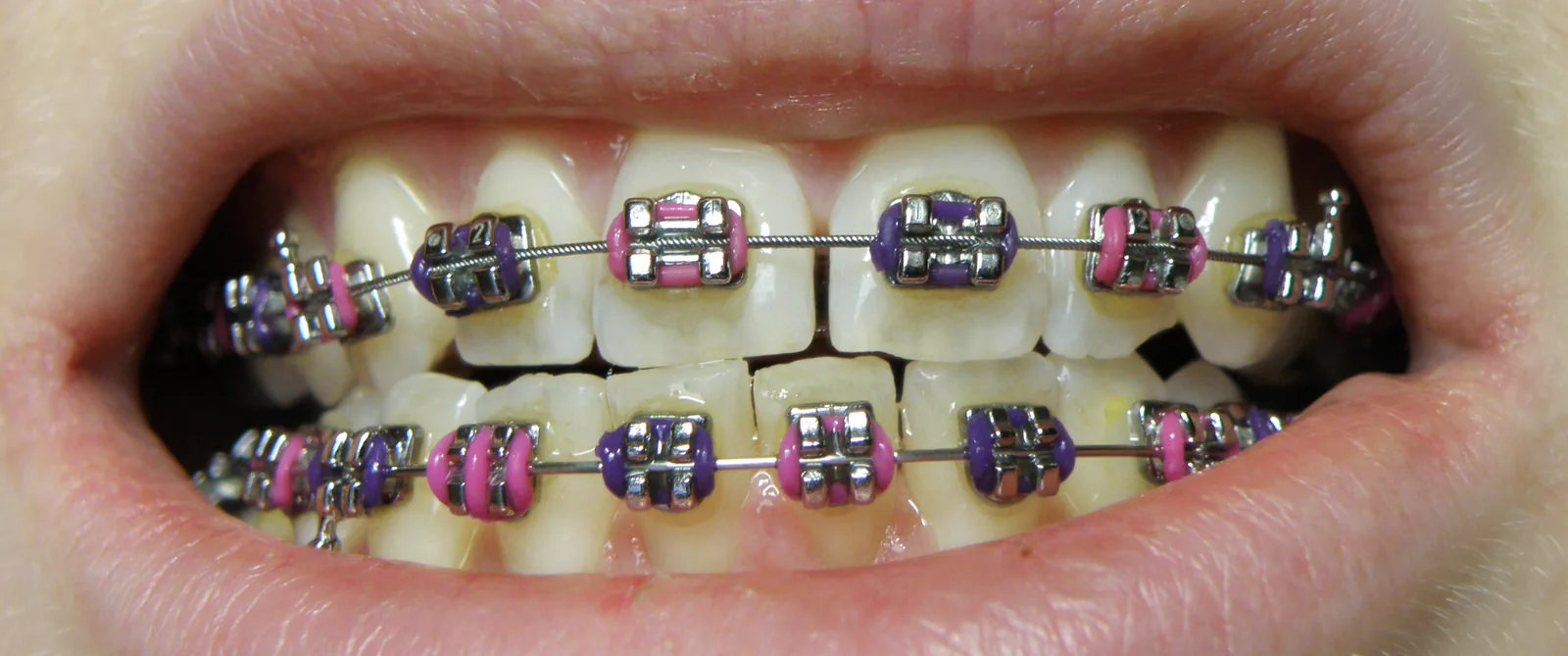
For overbites, underbites, and crossbites that are primarily related to tooth position rather than significant jaw skeletal discrepancy, braces or clear aligners can often correct the issue by gradually repositioning the teeth into proper alignment, similar to how orthodontic treatment addresses crowding or spacing issues.
Early Treatment in Children
Crossbites in particular are sometimes addressed early in childhood using a palatal expander, a device that gradually widens the upper jaw while it's still developing, potentially preventing the crossbite from persisting or worsening into adulthood, when correction would likely require more involved treatment.
Why Bite Problems Matter Beyond Appearance
Beyond how a bite looks, significant overbites, underbites, or crossbites can contribute to uneven tooth wear, difficulty chewing effectively, speech difficulties in some cases, and in some individuals, jaw discomfort related to the uneven forces an improper bite places on the jaw joint over time.
Can Adults Get These Bite Issues Corrected?
Yes, orthodontic treatment for bite correction isn't limited to children, and many adults pursue treatment for bite issues that were never addressed earlier in life. More severe adult cases involving significant jaw discrepancy may still require jaw surgery combined with orthodontics, similar to how these cases are handled at any age, since the jawbone itself doesn't respond to braces alone regardless of the patient's age.
How Long Does Treatment Typically Take?
This varies enormously based on severity and the specific treatment approach. Mild cases addressed with braces or aligners alone might take a similar timeframe to standard orthodontic treatment, generally a year or more. Cases requiring jaw surgery involve a longer overall timeline, often including orthodontic treatment both before and after the surgical procedure itself.