Patient Literacy and Practical · 8 min read
Dry Socket: How to Recognize It and Why It Happens
- Written by
- 1PleasantonDentist Editorial Team, Editorial team
- Reviewed by
- Editorial team
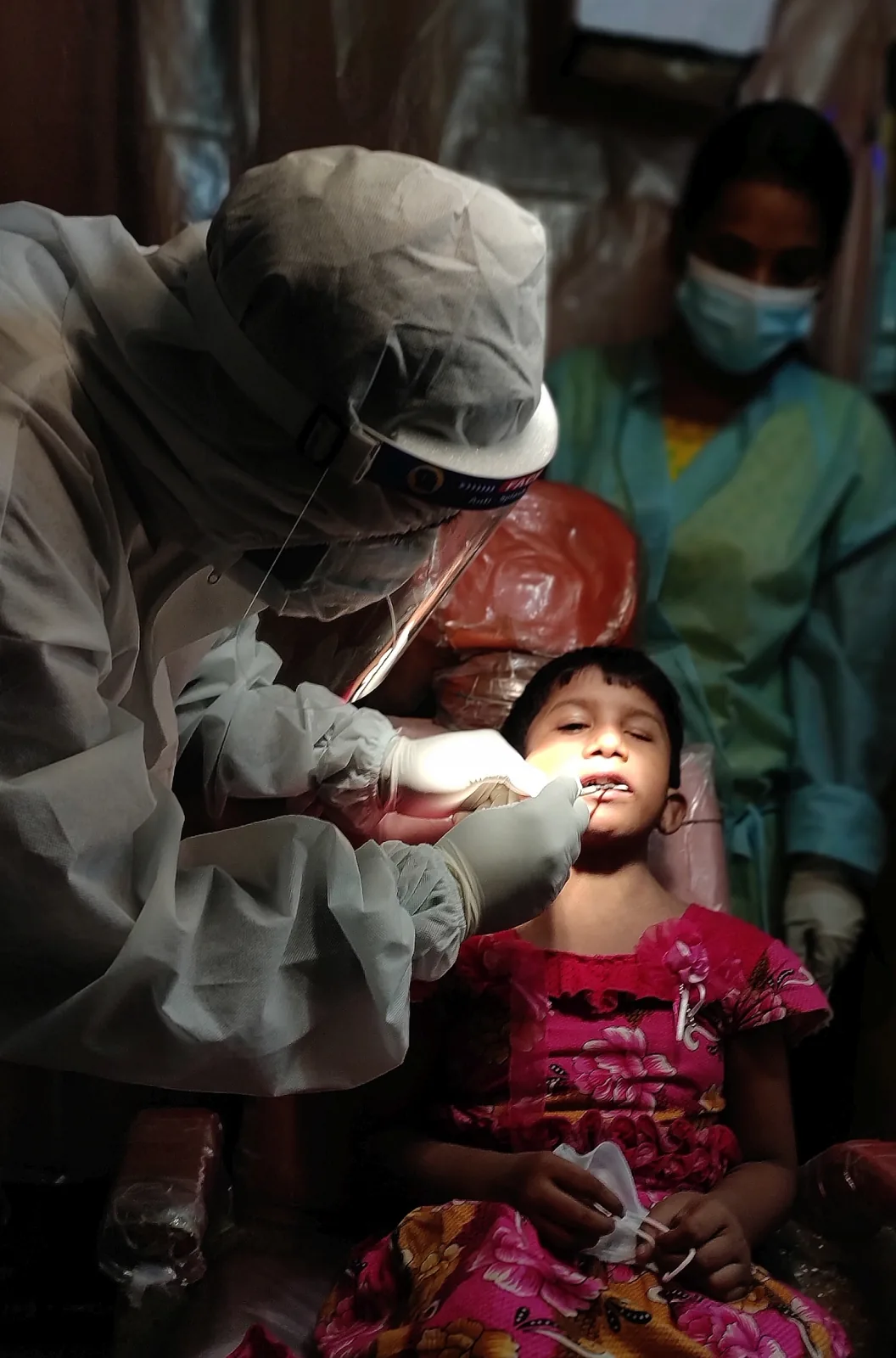
Image: Sumita Roy Dutta · BY-SA 4.0 · Source
Dry socket causes pain days after an extraction, not immediately. Here's how to spot the symptoms early and what actually helps.
What Is Dry Socket?
Dry socket, medically called alveolar osteitis, occurs when the blood clot that normally forms in a tooth extraction site is dislodged, dissolves, or fails to form properly before the area has had time to heal, exposing the underlying bone and nerve endings to air, food, and bacteria.
Why the Blood Clot Matters
After an extraction, a blood clot forms in the socket and acts as a protective covering while the underlying tissue heals underneath it. Losing this clot prematurely removes that protection, leaving sensitive bone and nerve tissue exposed, which is what causes the significant pain associated with dry socket.
Symptoms of Dry Socket
Pain that develops or significantly worsens a few days after extraction, rather than gradually improving as expected, is the hallmark sign. This pain often radiates toward the ear or jaw on the same side, and many people notice a visibly empty-looking socket, a bad taste, or an unpleasant odor coming from the area.
When Dry Socket Typically Develops
Most cases develop within two to four days after extraction, which is exactly why a sudden increase in pain during this window, after initially feeling like recovery was going fine, is a specific red flag worth paying attention to.
What Causes Dry Socket
Smoking, using a straw, vigorous rinsing or spitting, and generally anything that creates strong suction or disturbance in the mouth during the first couple of days after extraction can dislodge the healing blood clot. Certain extractions, particularly more difficult or impacted wisdom teeth, also carry a somewhat higher baseline risk.
Dry Socket Treatment
Contacting your dentist or oral surgeon promptly is important if you suspect dry socket, since it doesn't reliably heal well on its own without intervention. Your provider will typically clean the socket thoroughly and place a medicated dressing, which usually provides significant pain relief and supports proper healing going forward, sometimes needing a dressing change at a follow-up visit.
How Long Does Dry Socket Last?
With proper treatment, pain from dry socket typically improves significantly within a day or two of receiving the medicated dressing, though full healing of the socket itself continues over the following weeks, similar to normal extraction healing, just delayed by the initial complication.
Preventing Dry Socket
Avoiding smoking, straws, vigorous rinsing or spitting, and strenuous physical activity for the first couple of days after extraction all reduce your risk. Following your dentist or surgeon's specific aftercare instructions closely is the most effective overall prevention strategy.
Frequently Asked Questions About Dry Socket
How do I know if my pain is normal healing or dry socket? Normal post-extraction pain typically peaks within the first day or two and then gradually improves. Pain that suddenly worsens a few days in, especially with a bad taste or visible empty-looking socket, is more suggestive of dry socket and worth contacting your dentist about.
Can dry socket heal without treatment? It can eventually heal on its own over time, but the pain is often significant enough, and the risk of further complications like infection is high enough, that seeking treatment for the medicated dressing is strongly recommended rather than waiting it out.
How common is dry socket? It's a well-known, relatively common complication of tooth extraction, occurring more often with lower wisdom teeth removal specifically compared to other extractions, though most people who have teeth extracted don't develop it.
Is dry socket more likely if I smoke? Yes, smoking is one of the most well-documented risk factors for dry socket, both due to the suction motion of smoking and the effect nicotine has on blood flow and healing, which is part of why avoiding smoking for at least the first few days after extraction is consistently emphasized in aftercare instructions.
What does a dry socket dressing actually do? The medicated dressing placed by your dentist typically contains a combination of pain-relieving and protective ingredients, covering the exposed bone and nerve tissue to reduce pain and support the socket's healing process going forward.