Patient Literacy and Practical · 8 min read
Dry Socket: How to Recognize It and Why It Needs Treatment Fast
- Written by
- 1PleasantonDentist Editorial Team, Editorial team
- Reviewed by
- Editorial team
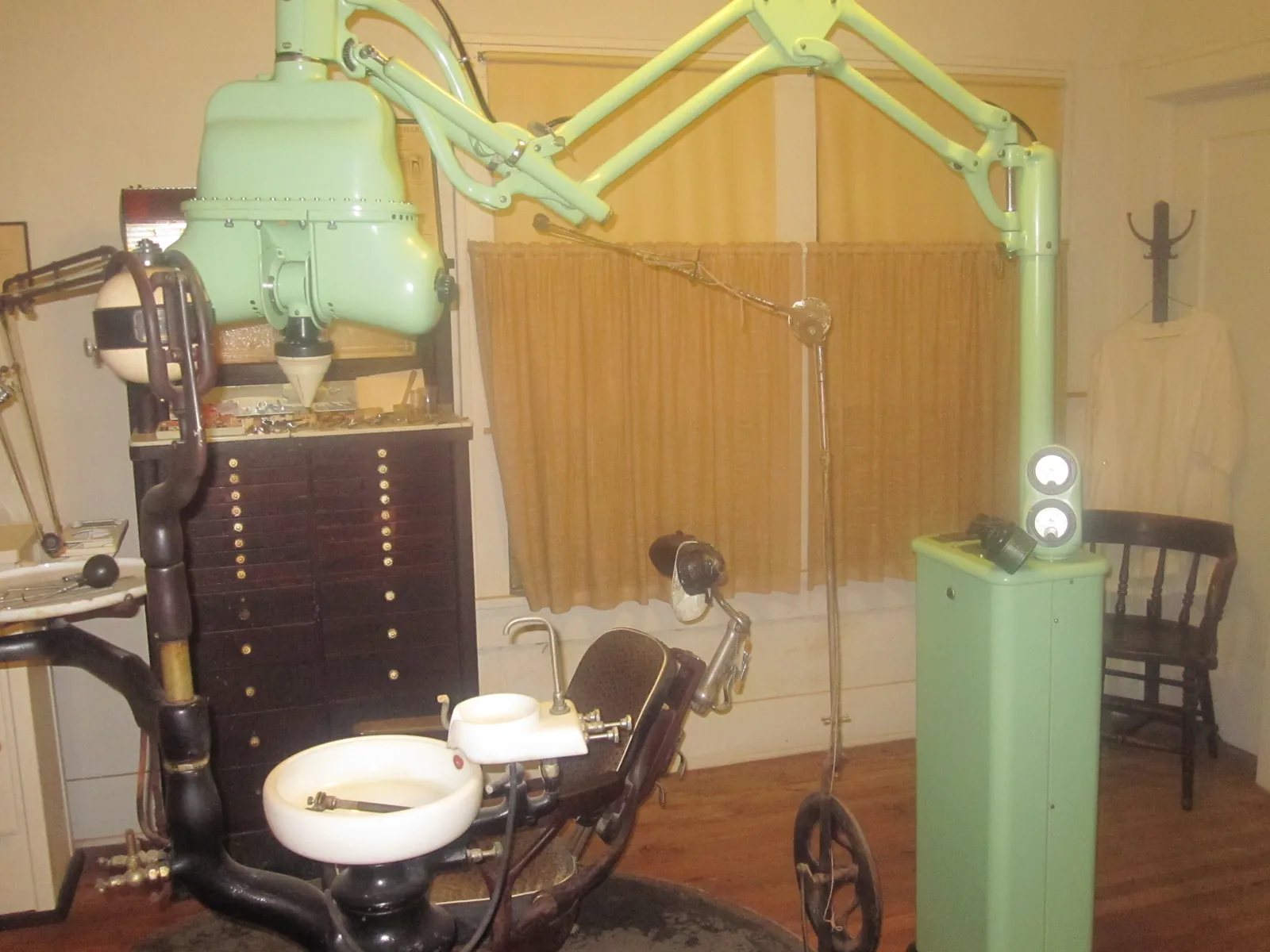
Image: Billy Hathorn · BY-SA 3.0 · Source
Dry socket pain shows up a few days after extraction, not right away. Here's exactly how to spot it and why it won't just heal on its own.
What Is Dry Socket?
After a tooth is extracted, a blood clot normally forms in the socket, protecting the underlying bone and nerve endings while healing progresses. Dry socket, medically called alveolar osteitis, occurs when this blood clot becomes dislodged or dissolves prematurely, exposing the bone and nerves underneath before the area has had a chance to properly heal.
Why Does the Blood Clot Matter So Much?
The blood clot isn't just incidental — it's the foundation the healing process builds on top of. Without it, the exposed bone is vulnerable to irritation from air, food, and liquid, and the nerve endings in that area are left without their normal protective covering, which is exactly why dry socket is so specifically and intensely painful compared to typical post-extraction soreness.
When Does Dry Socket Typically Develop?
This is the key distinguishing feature: normal extraction pain generally peaks in the first couple of days and then gradually improves. Dry socket pain typically develops a few days after extraction, often after the initial discomfort had already started to ease, which is what makes it feel like something has suddenly gone wrong rather than gradually resolving.
Symptoms of Dry Socket
Significant pain, often radiating to the ear, eye, temple, or neck on the same side as the extraction, is the hallmark symptom. Some people notice a visibly empty-looking socket rather than a dark blood clot, an unpleasant taste in the mouth, and a noticeable bad odor coming from the socket area.
What Causes Dry Socket?
Smoking is one of the most well-documented risk factors, since the act of drawing on a cigarette can physically dislodge a healing clot, and nicotine itself also affects healing. Using a straw in the days following extraction creates suction that can similarly dislodge the clot. Vigorous rinsing, spitting, or touching the extraction site with your tongue or fingers can also disrupt healing. Certain birth control medications and a history of dry socket in previous extractions are also associated with somewhat higher risk.
Who Is Most at Risk?
Wisdom teeth extractions, particularly more complex or impacted removals, carry a higher documented risk of dry socket compared to simpler extractions. Smokers, people who don't closely follow post-extraction care instructions, and those with a previous history of dry socket also face elevated risk.
Does Dry Socket Heal on Its Own?
Not effectively, and this is an important point — unlike a lot of minor healing setbacks, dry socket doesn't reliably resolve without treatment, since the exposed bone and nerve tissue generally needs a proper medicated dressing to manage pain and support healing rather than being left to heal purely on its own.
How Is Dry Socket Treated?
Your dentist or oral surgeon cleans out the socket to remove any debris, then places a medicated dressing directly into the socket, which typically provides significant pain relief and needs to be changed periodically as healing progresses. This treatment generally needs to be performed by a dental professional rather than managed entirely at home.
How Long Does Dry Socket Take to Heal With Treatment?
Once properly treated, pain relief is often noticeable relatively quickly, though full healing of the socket generally still takes one to two weeks, similar to how a normal extraction site heals, just with the added step of managing the exposed tissue during that time.
How to Reduce Your Risk of Dry Socket
Following your dentist's specific aftercare instructions closely matters more here than with many other minor procedures. This generally includes avoiding smoking, avoiding straws, avoiding vigorous rinsing or spitting in the first day or two, and sticking to soft foods that don't require significant chewing near the extraction site during initial healing.