
Restorative Dentistry · 8 min read
Amalgam Tattoo: The Harmless Gray Spot Left Behind by Old Fillings
- Written by
- 1PleasantonDentist Editorial Team, Editorial team
- Reviewed by
- Editorial team
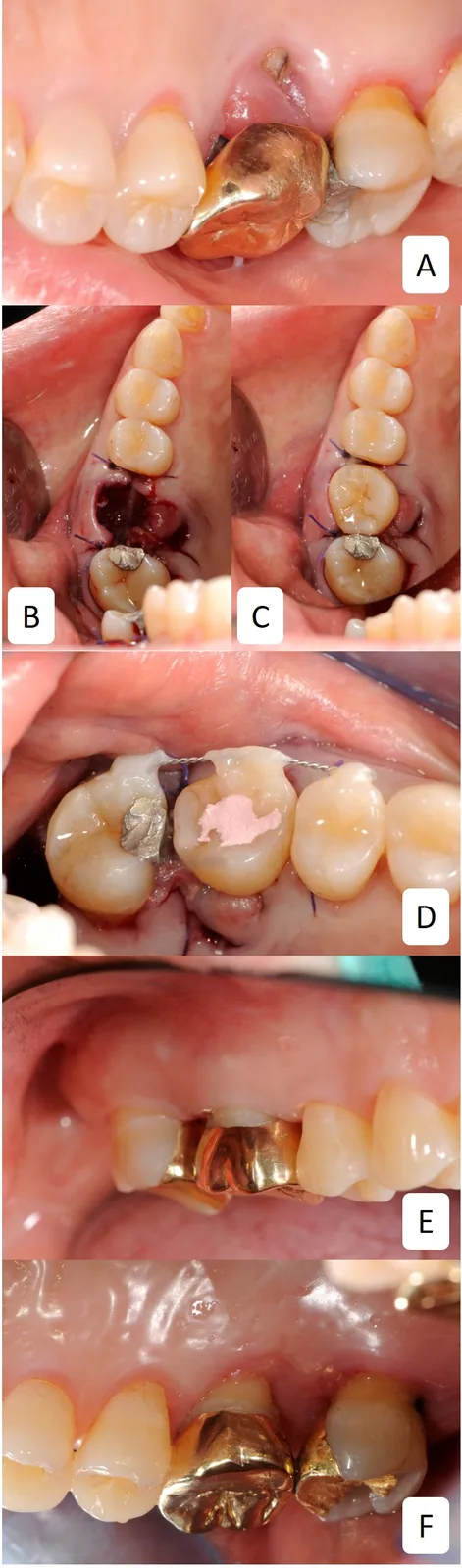
Image: Yonghoon Choi 최용훈, DDS, Ph.D, Associate professor · BY-SA 4.0 · Source
A flat, bluish-gray patch on the gum near an old filling is usually just embedded metal particles, not a serious finding. Here's what it actually is.
What Is an Amalgam Tattoo?
An amalgam tattoo is a small, flat, discolored patch of tissue, typically bluish-gray or black, caused by tiny particles of amalgam filling material becoming embedded in the gum or other soft tissue, usually during a past dental procedure involving that material.
How Does Amalgam Get Embedded in Gum Tissue?
This commonly happens during placement or removal of an amalgam filling, when small particles of the material can inadvertently become lodged in the surrounding soft tissue, sometimes going unnoticed at the time and only becoming visible later as the tissue heals around the embedded particles.
Is an Amalgam Tattoo Harmful?
No, this is considered a completely benign finding, essentially a cosmetic marking similar in concept to a tattoo elsewhere on the body, caused by inert metal particles rather than representing any disease process or health concern.
Does an Amalgam Tattoo Cause Any Symptoms?
Generally, no, these are typically painless and don't cause any functional problems, often discovered incidentally during a routine dental exam rather than because the patient noticed any symptom themselves.
Why Do Dentists Still Take Amalgam Tattoos Seriously During an Exam?
Even though amalgam tattoos are benign, their appearance, a flat, dark, pigmented patch, can superficially resemble certain other more concerning pigmented lesions, meaning your dentist needs to properly evaluate any such finding to confirm it's genuinely an amalgam tattoo rather than assuming based on general appearance alone.
How Is an Amalgam Tattoo Diagnosed?
Your dentist typically considers the location, appearance, and, importantly, whether there's a nearby or historical amalgam filling that would explain the finding, sometimes confirmed with an X-ray that can occasionally show the small embedded metal particles directly.
Is a Biopsy Ever Needed for an Amalgam Tattoo?
If the diagnosis isn't entirely clear based on the clinical picture and history, or if there's no obvious connection to a nearby or past amalgam filling, a biopsy may be recommended specifically to rule out other possible causes of pigmented tissue, providing a definitive answer rather than assuming.
Does an Amalgam Tattoo Need to Be Removed?
Generally, no, once properly diagnosed and confirmed as a benign amalgam tattoo, no treatment or removal is typically necessary, and it can simply be left in place without any health concern.
Can an Amalgam Tattoo Get Larger or Change Over Time?
Amalgam tattoos are generally stable over time, not typically growing or changing in appearance, which is actually part of what supports the diagnosis — a finding that is changing or growing would prompt more careful evaluation to rule out an alternative explanation.
Will an Amalgam Tattoo Go Away If You Switch to Composite Fillings?
No, since the amalgam tattoo results from particles already embedded in the tissue from a past procedure, switching your current fillings to composite material going forward doesn't remove or affect the existing amalgam tattoo, which remains present as a permanent, though harmless, marking.
Is Amalgam Tattoo Becoming Less Common Given Reduced Amalgam Use?
Given that composite fillings have become increasingly common relative to amalgam in recent years, amalgam tattoos may become somewhat less frequently encountered over time, though they remain a relevant, recognizable finding in patients with a history of amalgam fillings.