Restorative Dentistry · 8 min read
CAD/CAM Dentistry: The Technology Behind Same-Day Restorations
- Written by
- 1PleasantonDentist Editorial Team, Editorial team
- Reviewed by
- Editorial team
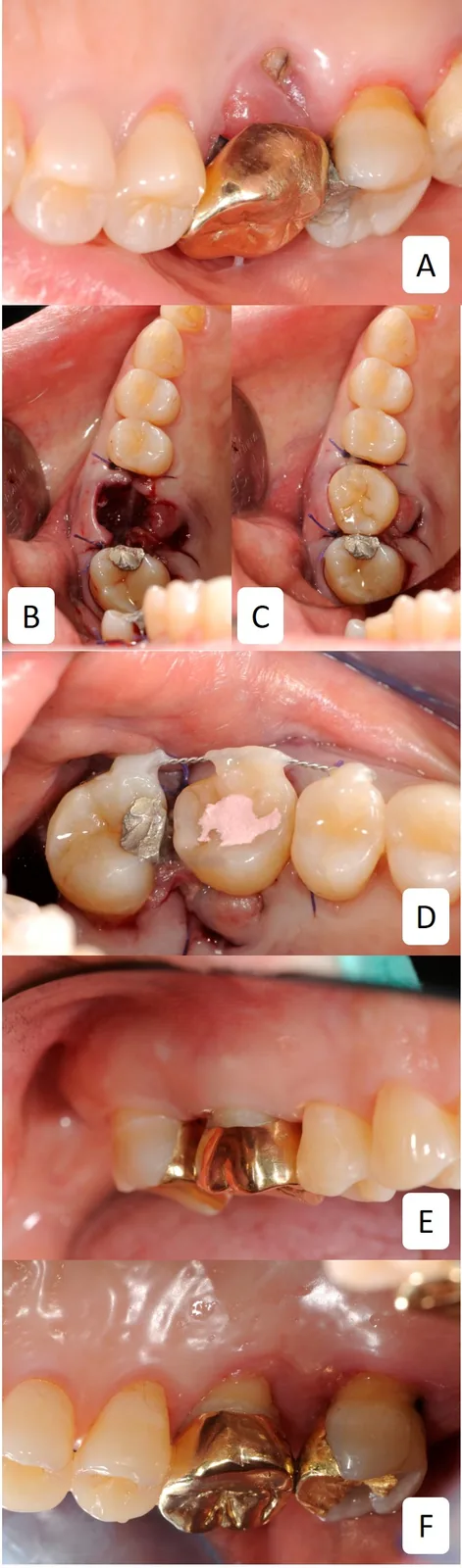
Image: Yonghoon Choi 최용훈, DDS, Ph.D, Associate professor · BY-SA 4.0 · Source
CAD/CAM is the specific technology that makes same-day crowns possible. Here's how the design and milling process actually works, step by step.
What Does CAD/CAM Stand For?
CAD/CAM stands for Computer-Aided Design and Computer-Aided Manufacturing, referring to the combined process of digitally designing a dental restoration on a computer and then manufacturing it using automated equipment, rather than the traditional process of a dental lab technician manually crafting a piece by hand over several days.
How Does the Design Portion Work?
After your tooth is prepared, a digital scanner captures a precise 3D image, replacing the need for traditional impression putty. Software then allows the design of a custom restoration, such as a crown, inlay, or onlay, that precisely matches your tooth's specific shape and your bite.
How Does the Manufacturing Portion Work?
Once the design is finalized, a milling machine, either located directly in your dentist's office or at an external lab depending on the specific setup, carves the restoration from a solid block of ceramic material based on the digital design, producing a precisely fitted piece.
What's the Advantage of In-Office CAD/CAM Systems?
Practices with their own in-office milling equipment, like the well-known CEREC system, can complete the entire process, from scan to finished, placed restoration, within a single appointment, eliminating the need for a temporary restoration and a separate second visit weeks later.
Do All CAD/CAM Restorations Happen Same-Day?
Not necessarily — some practices use CAD/CAM technology for design purposes but send the actual milling to an external dental lab rather than having in-house equipment, meaning the restoration still takes some additional time to be manufactured and returned, even though the design process itself was digital.
What Materials Are Used in CAD/CAM Restorations?
Various ceramic materials, including different types of zirconia and other advanced dental ceramics, are commonly used, chosen based on the specific restoration needed, the tooth's location, and aesthetic requirements, similar to material choices in traditionally fabricated restorations.
Is CAD/CAM Only Used for Crowns?
No, this technology is also used for inlays, onlays, veneers, and in some cases, bridges, essentially any restoration that can be precisely designed digitally and manufactured from a solid material block.
How Accurate Is CAD/CAM Compared to Traditional Fabrication?
Modern CAD/CAM technology is generally considered highly precise, often producing restorations with excellent fit accuracy, comparable to or in some respects exceeding traditional manual fabrication methods, given the consistency and precision automated milling can achieve.
Is CAD/CAM Dentistry More Expensive?
Cost varies by practice and specific procedure, and while in-office CAD/CAM systems represent a significant equipment investment for a practice, this doesn't necessarily translate to a proportionally higher patient cost, since it can also reduce costs associated with lab fees and additional appointments.
Does Every Dental Practice Use CAD/CAM Technology?
No, this requires a specific equipment investment, meaning not every general dental practice has this capability in-house, though many work with dental labs that use CAD/CAM technology as part of their fabrication process, even if the milling itself happens externally rather than during your appointment.