
Restorative Dentistry · 8 min read
Why Composite Fillings Sometimes Need Replacing Sooner Than Expected
- Written by
- 1PleasantonDentist Editorial Team, Editorial team
- Reviewed by
- Editorial team
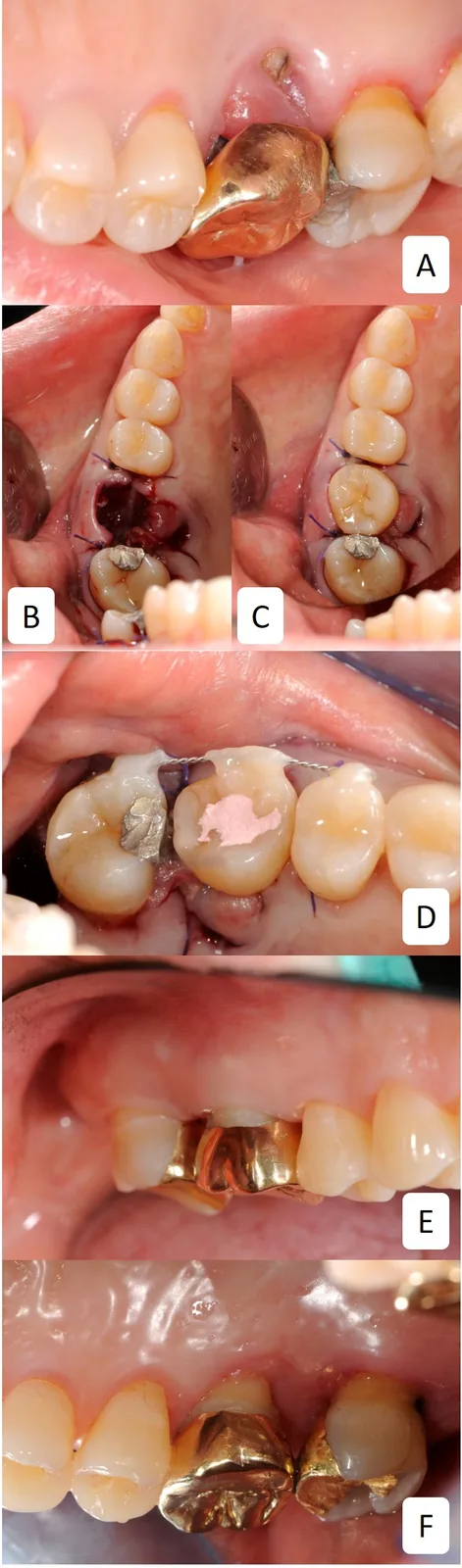
Image: Yonghoon Choi 최용훈, DDS, Ph.D, Associate professor · BY-SA 4.0 · Source
A genuine physical property of the filling material itself explains why some composite fillings develop small gaps or need earlier replacement.
What Is Composite Filling Shrinkage?
Composite resin filling material undergoes a small degree of shrinkage as it hardens (cures) during placement, a genuine physical property of the material's chemistry, which can potentially create a tiny gap between the filling and the surrounding tooth structure at the margins if not properly managed during placement.
Why Does This Shrinkage Happen?
This relates to the fundamental chemical process by which composite resin hardens, involving the material's molecules bonding more closely together as it cures, which inherently results in a small overall volume reduction compared to its uncured state.
Does This Mean Every Composite Filling Has a Problem?
No, this is an important clarification — skilled dentists use specific techniques, including placing the material in smaller, incremental layers rather than one large mass, and appropriate bonding agents, specifically to manage and minimize the practical effect of this shrinkage, meaning most well-placed composite fillings function excellently for many years without this being a significant clinical issue.
Does This Mean Amalgam Fillings Don't Have This Issue?
Amalgam doesn't shrink during setting the same way composite resin does, which is one material property difference between these two filling types, though amalgam has its own separate considerations discussed elsewhere, meaning this specific difference doesn't make one material universally superior overall.
How Would You Know if Shrinkage Has Caused a Problem With Your Filling?
This isn't typically something you'd notice yourself, since any resulting gap is often quite small, making this the kind of issue your dentist identifies during a routine checkup, sometimes through visual inspection or X-rays showing early signs of recurrent decay at the filling's margin.
Does Every Composite Filling Eventually Need Replacement Because of This?
No, many composite fillings last many years without any shrinkage-related issue becoming clinically significant, particularly when placed using proper technique, meaning this represents a real but generally well-managed consideration rather than an inevitable outcome for every filling.
Are Newer Composite Materials Better at Managing This Issue?
Yes, ongoing material science advances have continued to develop composite formulations with somewhat reduced shrinkage properties compared to older generations, along with improved bonding techniques, contributing to generally improved longevity for modern composite fillings.
Should You Ask Your Dentist About This When Getting a Composite Filling?
This is a reasonable topic if you're curious, and your dentist can explain the specific technique they use to manage this consideration, though it's not something requiring you to make any specific decision, since proper technique is simply part of standard, competent composite filling placement.