
Restorative Dentistry · 8 min read
Dens Invaginatus: The Hidden Tooth Defect That X-Rays Reveal
- Written by
- 1PleasantonDentist Editorial Team, Editorial team
- Reviewed by
- Editorial team
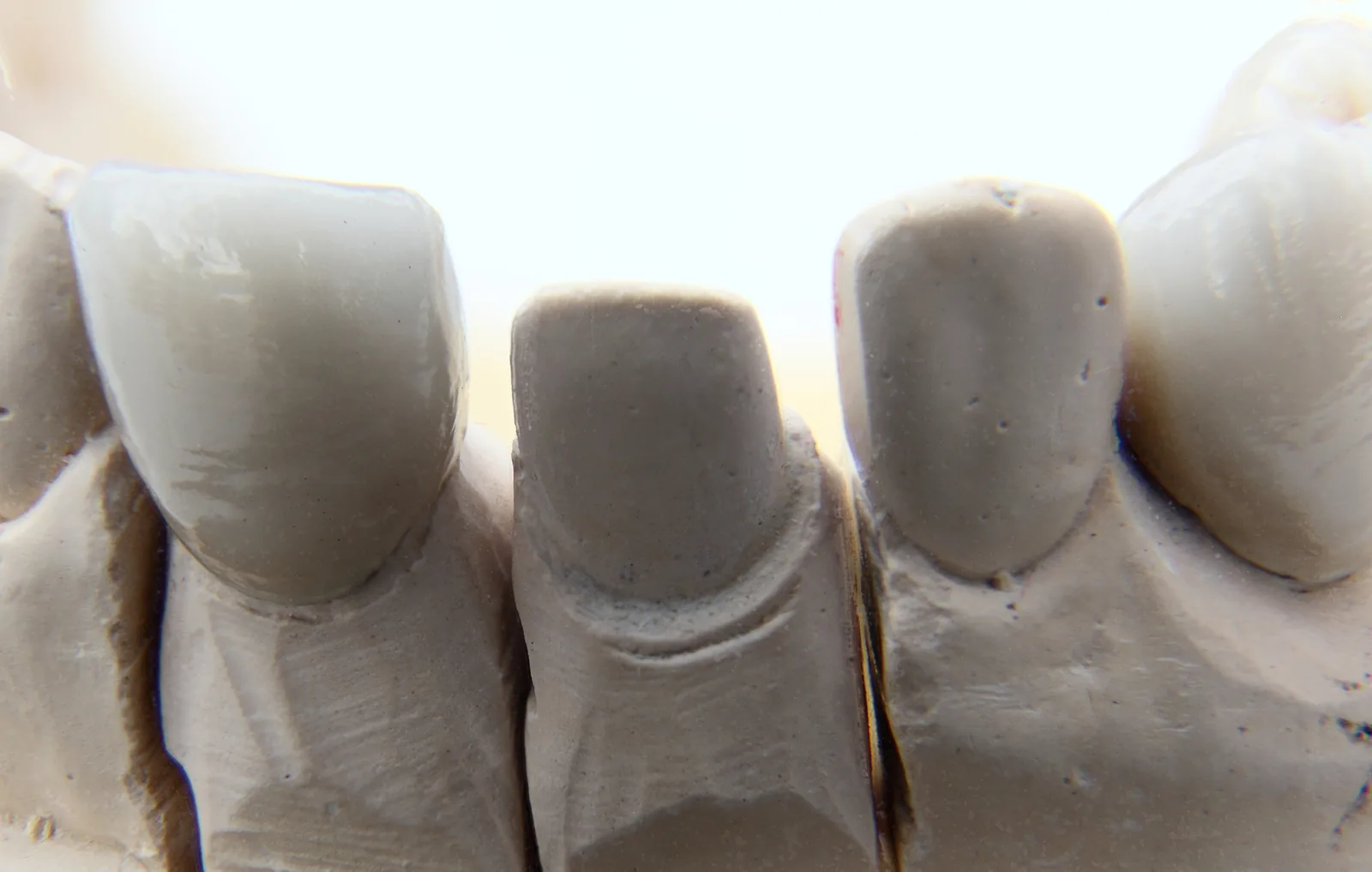
Image: Bin im Garten · BY-SA 3.0 · Source
This developmental anomaly creates a fold inside the tooth that's invisible from the outside but raises real infection risk. Here's why it matters.
What Is Dens Invaginatus?
Dens invaginatus, sometimes called dens in dente, is a developmental anomaly where the outer surface of a tooth folds inward into the tooth's interior during formation, creating an invagination, or pocket, that can extend from a small dimple near the biting surface down toward or into the pulp.
Why Is This Condition Called "Dens in Dente" (Tooth Within a Tooth)?
On an X-ray, this folded-in structure can create an appearance suggesting a smaller tooth-like structure nested within the larger tooth, which is where this descriptive, though technically imprecise, alternate name comes from.
Which Teeth Are Most Commonly Affected?
Upper lateral incisors, the teeth just next to the two front teeth, are the most frequently affected, though this anomaly can occur in other teeth as well.
Why Does Dens Invaginatus Matter for Dental Health?
The folded-in structure creates a pathway where bacteria can potentially reach deep into the tooth more easily than through normal, intact enamel, significantly increasing the risk of the pulp becoming infected, sometimes even without an obvious cavity being present on the visible tooth surface.
Does Dens Invaginatus Cause Any Visible Signs?
Often, there's only a small pit or dimple visible on the tooth's surface, sometimes barely noticeable, which is part of why this condition is frequently identified through X-rays rather than a visual exam alone.
How Is Dens Invaginatus Diagnosed?
This is typically identified on a routine dental X-ray, where the characteristic folded-in structure becomes visible, sometimes discovered incidentally before any symptoms have developed.
Does Every Case of Dens Invaginatus Require Treatment?
This depends on the severity and specific pattern of the invagination — some milder cases might be managed with a protective sealant placed over the small surface pit to prevent bacteria from entering, while more significant cases, or those where infection has already occurred, require more involved treatment.
What Happens If the Pulp Becomes Infected in a Tooth With This Condition?
Root canal treatment is typically needed, similar to treating infection in any tooth, though the unusual internal anatomy created by the invagination can make this a more technically complex procedure than a standard root canal, sometimes warranting referral to an endodontist experienced with this specific anomaly.
Can Preventive Treatment Avoid Future Problems?
Yes, if dens invaginatus is identified early, before any infection has occurred, placing a protective sealant over the surface opening can help prevent bacteria from entering the vulnerable internal space, potentially avoiding the need for more extensive treatment later.
Is Dens Invaginatus Common?
This is considered a relatively uncommon developmental finding, though not extremely rare, making it a genuinely relevant consideration for dentists to be aware of, particularly for the upper lateral incisors where it's most frequently encountered.
Should Every Patient Be Specifically Checked for This Condition?
Routine dental X-rays, taken as part of standard care, are generally sufficient to identify this condition when present, without requiring any additional, specific separate screening beyond your normal recommended imaging schedule.