
Restorative Dentistry · 8 min read
Why Dental Anesthesia Sometimes Doesn't Fully Work
- Written by
- 1PleasantonDentist Editorial Team, Editorial team
- Reviewed by
- Editorial team
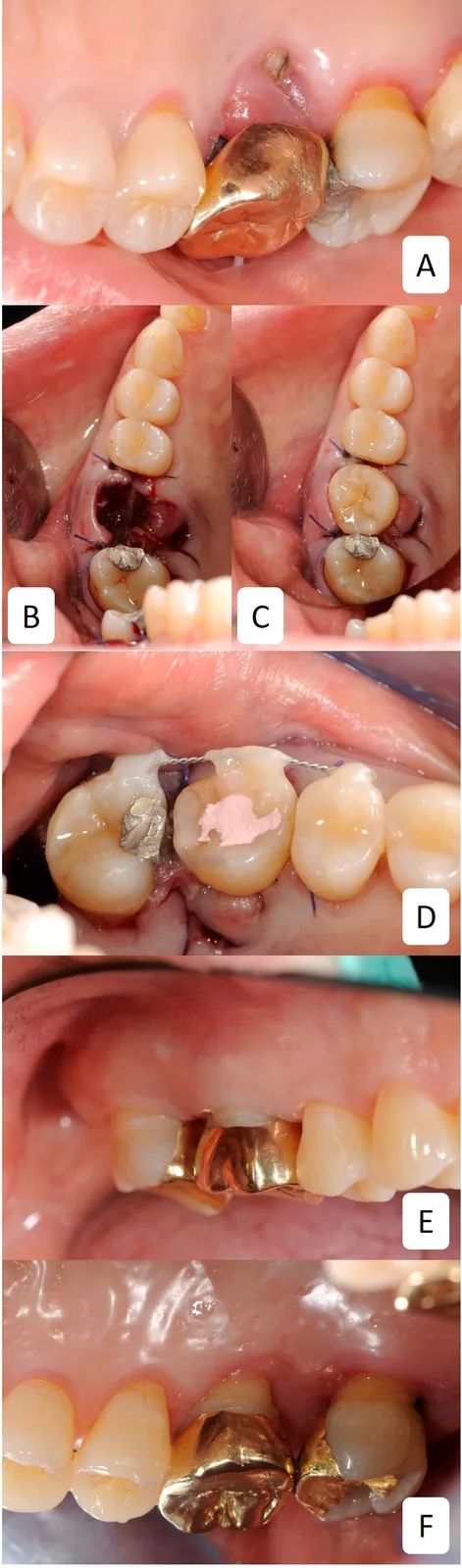
Image: Yonghoon Choi 최용훈, DDS, Ph.D, Associate professor · BY-SA 4.0 · Source
Feeling pain despite being numbed is a real, recognized phenomenon with specific causes, not something imagined. Here's why it happens and what helps.
Is It Common for Dental Anesthesia to Not Fully Work?
While most patients achieve adequate numbness with a standard dose, incomplete anesthesia is a genuinely recognized occurrence, particularly in specific situations like a severely infected or inflamed tooth, making this a real clinical challenge rather than a rare oddity.
Why Does an Infected Tooth Sometimes Resist Anesthesia More Than a Healthy One?
This is sometimes called encountering a "hot tooth," where significant inflammation and infection change the local tissue environment in ways that can reduce how effectively local anesthetic works in that specific area, requiring your dentist to use additional techniques or a larger dose to achieve adequate numbness.
What Techniques Do Dentists Use When Standard Anesthesia Isn't Working?
Additional injections, sometimes using a different specific technique targeting the nerve more directly, a different anesthetic medication, or in more complex cases, alternative approaches like an injection directly into the tooth's pulp during a root canal procedure, are all options your dentist may use to achieve adequate pain control.
Can Anatomy Affect How Well Anesthesia Works?
Yes, individual variation in nerve pathways and bone density, particularly in the lower jaw, can affect how effectively a standard injection technique numbs a specific area, meaning some patients genuinely require a modified approach based on their unique anatomy.
Does Anxiety Affect Perceived Pain Even With Adequate Anesthesia?
This is a nuanced consideration — while anxiety itself doesn't prevent the anesthetic from working pharmacologically, heightened anxiety can affect how sensations are perceived and processed, which is part of why a calm, well-communicated approach alongside proper anesthesia technique matters for overall comfort.
Should You Tell Your Dentist Immediately If You're Feeling Pain During a Procedure?
Yes, absolutely — speaking up right away, using an agreed-upon signal if talking isn't easy mid-procedure, allows your dentist to pause and administer additional anesthesia or adjust their approach, rather than continuing while you're in genuine discomfort.
Is It Ever Necessary to Postpone a Procedure Because Adequate Numbness Can't Be Achieved?
In some difficult cases, particularly with a significantly infected tooth resistant to numbing, your dentist may recommend prescribing antibiotics first to reduce the infection and inflammation, then rescheduling the procedure once the tooth is likely to respond better to anesthesia, rather than proceeding with inadequate pain control.
Does This Happen More Often With Certain Procedures Like Root Canals?
Yes, root canal treatment on a tooth with significant, active infection is one of the more commonly discussed scenarios where achieving full anesthesia can be more challenging, given the inflammatory changes present in and around the infected tooth.
Can Requesting a Specialist Help if You've Had Difficulty With Anesthesia Before?
Yes, an endodontist, given their specific focus and experience with challenging anesthesia situations related to infected or inflamed teeth, may have additional techniques and experience particularly relevant if you've had difficulty achieving adequate numbness in the past.
Is There Anything You Can Do Beforehand If You're Worried About This Happening Again?
Mentioning your specific past experience to your dentist before a new procedure allows them to plan proactively, potentially using a different technique or anesthetic from the start, rather than only adjusting reactively if difficulty arises again during the appointment.