Restorative Dentistry · 8 min read
Denture Adhesives: When You Need Them and When You Don't
- Written by
- 1PleasantonDentist Editorial Team, Editorial team
- Reviewed by
- Editorial team
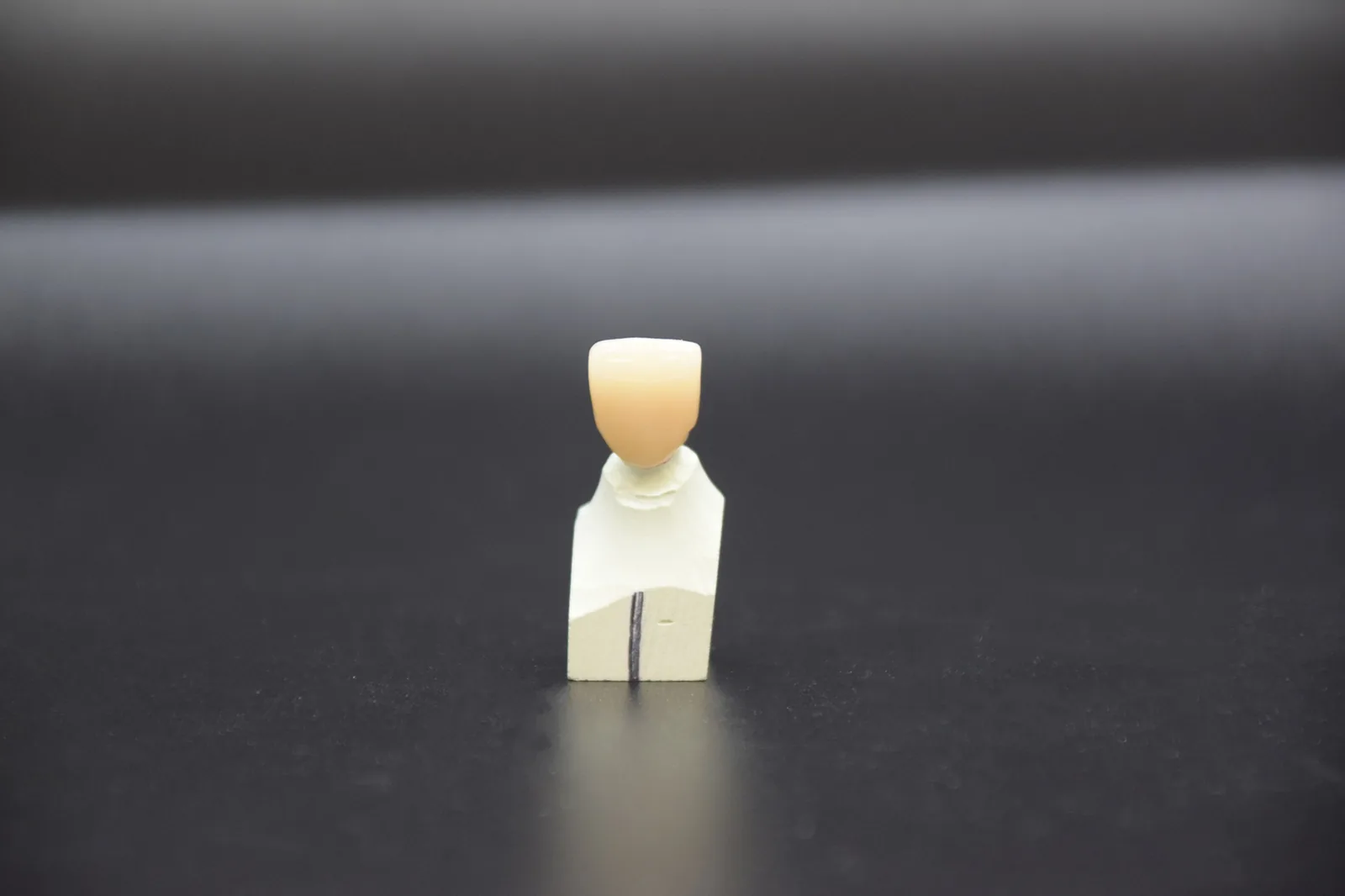
Image: James Roback, UticaDentalLab · BY-SA 4.0 · Source
A well-fitted denture shouldn't need much adhesive at all. Here's what denture adhesive actually does, how to use it properly, and warning signs to watch for.
What Does Denture Adhesive Actually Do?
Denture adhesive creates an additional layer of grip between your denture and gums, helping improve stability, reduce minor movement, and in some cases, help seal out food particles that might otherwise work their way underneath the denture during eating.
Do All Denture Wearers Need Adhesive?
No — a well-fitted denture, particularly a properly fitted upper denture that benefits from natural suction against the palate, may need little to no adhesive at all. Lower dentures, which don't get the same suction advantage, more commonly benefit from adhesive for added stability.
Is Needing a Lot of Adhesive a Sign of a Problem?
Often, yes. If you find yourself needing to apply significant amounts of adhesive for your denture to feel secure, this can indicate the denture no longer fits properly, possibly due to changes in your jawbone and gum shape over time, and it's worth having your dentist evaluate and potentially adjust or reline the denture rather than simply relying on more adhesive indefinitely.
Types of Denture Adhesive
Creams are among the most common forms, applied in small amounts directly to the denture before insertion. Powders offer another option, sometimes preferred by people who find creams too thick or messy. Adhesive strips or pads provide a pre-measured option that some find more convenient and less prone to using too much product.
How to Apply Denture Adhesive Properly
Using a smaller amount than you might initially think necessary, applied in small dots or a thin line rather than covering the entire denture surface, generally provides adequate hold without excess adhesive squeezing out uncomfortably once the denture is seated.
Common Adhesive Mistakes
Using too much adhesive, which can actually make a denture feel less comfortable and cause excess material to ooze out, and cleaning it off unevenly, then reapplying without removing all the previous residue, are common issues that can affect both comfort and the health of the underlying gum tissue.
Are There Health Concerns With Long-Term Adhesive Use?
Following the product's usage instructions and not exceeding recommended amounts is important, since excessive daily use of certain adhesives over a very long period has been a topic of some health discussion, generally related specifically to overuse well beyond directed amounts rather than typical, moderate use as directed.
When Should You See a Dentist Instead of Relying on More Adhesive?
If your denture consistently feels loose despite proper adhesive use, if you're using noticeably more adhesive than you used to for the same level of stability, or if you experience irritation or sore spots that seem related to fit rather than normal adjustment, these are all signs worth having your dentist evaluate the actual fit of your denture.
Can a Well-Fitted Denture Work Without Any Adhesive?
Yes, particularly for upper dentures, many well-fitted appliances can function adequately without adhesive at all, with some people choosing to use a small amount purely for extra confidence during eating or speaking rather than out of genuine necessity.
Removing Denture Adhesive Properly
Thoroughly cleaning both your denture and your gums each time you remove your denture, rather than leaving adhesive residue in place, helps maintain good oral hygiene and gives you an accurate sense of how your denture actually fits without a buildup of old adhesive affecting the fit.