Restorative Dentistry · 8 min read
Broken Denture: Why DIY Repair Kits Are Riskier Than They Look
- Written by
- 1PleasantonDentist Editorial Team, Editorial team
- Reviewed by
- Editorial team
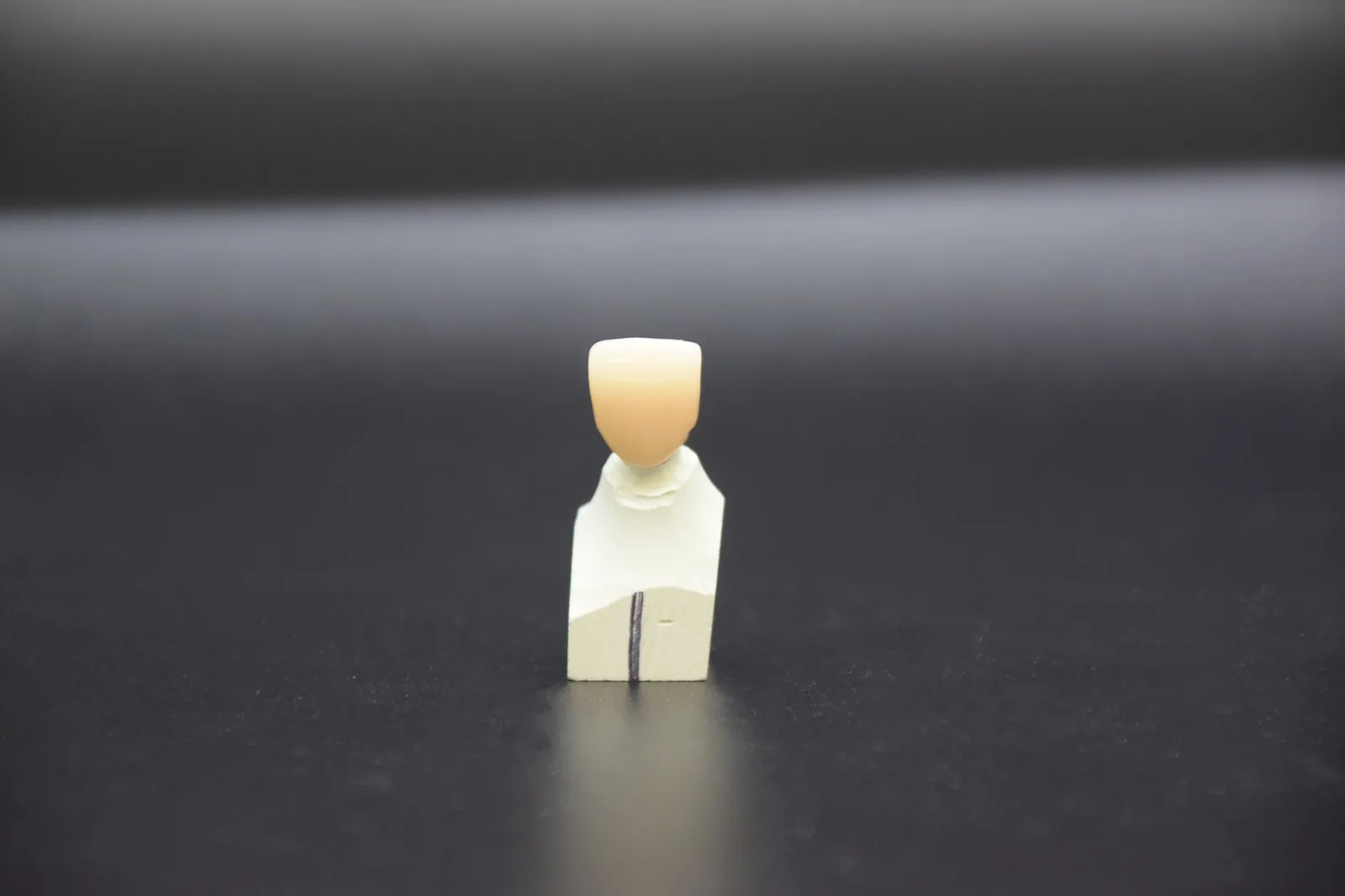
Image: James Roback, UticaDentalLab · BY-SA 4.0 · Source
A cracked or broken denture is genuinely stressful, but home repair glue often causes more problems than it solves. Here's what actually happens with each option.
What Do Over-the-Counter Denture Repair Kits Typically Include?
These kits generally contain a type of adhesive or bonding material designed for the user to apply themselves at home, aimed at temporarily rejoining a broken piece or filling a crack.
Why Are Dentists Generally Cautious About These DIY Kits?
The materials used in over-the-counter kits typically aren't designed to bond as strongly or precisely as professional dental repair materials, and improper application can actually make a professional repair more difficult afterward, or in some cases, cause changes to the denture's fit that a home repair can't properly address.
Can a DIY Repair Actually Damage the Denture Further?
Yes, this is a genuine risk — improper alignment during a home repair attempt can permanently affect the denture's fit, and using the wrong type of adhesive can sometimes make the material more difficult for a professional to properly clean and rebond later if the DIY attempt doesn't hold.
Is It Ever Reasonable to Use a Home Repair Kit as a Very Temporary Measure?
In a genuine emergency situation where you truly can't reach professional care for an extended period, and you need at least some minimal function in the meantime, a careful, temporary home repair might be a reasonable stopgap, understanding this isn't a substitute for proper professional repair as soon as reasonably possible.
Should You See Your Dentist Even After a Successful-Seeming DIY Repair?
Yes, absolutely — even if a home repair seems to have worked reasonably well, having your dentist properly evaluate and, if needed, professionally repair the denture is still important, both for the denture's long-term integrity and to make sure the fit hasn't been compromised.
How Does Professional Denture Repair Work?
Your dentist evaluates the specific break or crack, and depending on the extent of damage, either repairs the existing denture using professional-grade materials specifically designed for proper bonding, or, if the damage is significant enough, may recommend a new denture instead.
How Long Does Professional Denture Repair Typically Take?
This varies by the extent of damage, but many straightforward repairs can be completed within a day, sometimes even the same day depending on your dentist's specific process and whether the repair needs to be sent to an outside lab.
Can Every Type of Denture Damage Be Repaired?
Not always — a simple crack or a broken clasp can often be successfully repaired, while more extensive damage, particularly if the denture's overall structural integrity is significantly compromised, may mean a new denture is the more practical, recommended path forward rather than repeated repair attempts.
What Should You Do Immediately After a Denture Breaks?
Keep all the pieces, even small fragments, since these can sometimes be relevant to a proper professional repair, avoid attempting to force broken pieces back together without appropriate materials, and contact your dentist promptly to schedule a repair rather than continuing to try to use a broken or ill-fitting denture.
Can You Go Without Your Denture for a Few Days While Awaiting Repair?
This depends on your specific situation and comfort, though many people find managing without their denture for a short period, while eating softer foods, is preferable to continuing to use a broken or poorly functioning denture, or attempting a risky home repair.
Is It Worth Having a Backup or Older Denture Available for Emergencies Like This?
Yes, this is a genuinely practical consideration many long-term denture wearers find worthwhile, keeping a previous, still-functional denture as a backup option specifically for situations like this, providing some functional continuity while your primary denture is being professionally repaired.