
Restorative Dentistry · 8 min read
Gingivectomy: The Surgical Gum Removal Procedure Explained
- Written by
- 1PleasantonDentist Editorial Team, Editorial team
- Reviewed by
- Editorial team
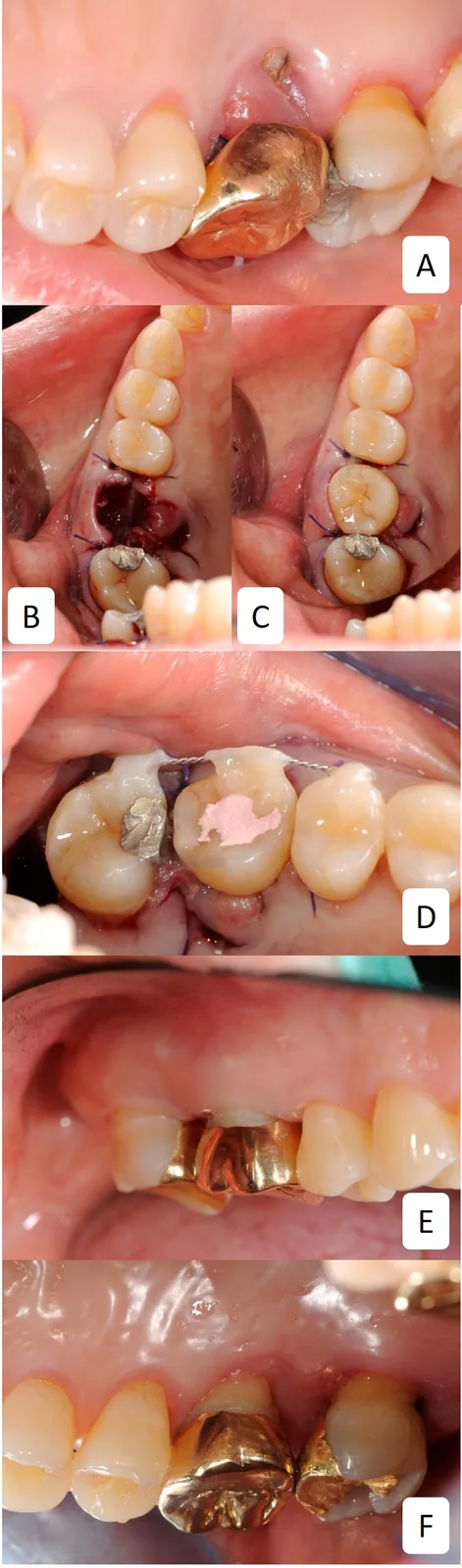
Image: Yonghoon Choi 최용훈, DDS, Ph.D, Associate professor · BY-SA 4.0 · Source
Sometimes gum disease treatment requires actually removing diseased tissue, not just cleaning around it. Here's exactly what a gingivectomy involves.
What Is a Gingivectomy?
A gingivectomy is a surgical procedure that removes diseased or excess gum tissue, typically performed to eliminate deep gum pockets associated with periodontal disease that haven't adequately responded to non-surgical treatment like scaling and root planing.
Why Is Removing Gum Tissue Sometimes Necessary?
When gum disease has caused deep pockets between the gum and tooth, these pockets can be difficult to keep clean even with good home hygiene and professional cleaning, since bacteria can hide deep within them, and removing the excess, diseased tissue creating these pockets allows for better long-term cleaning access and disease control.
Is a Gingivectomy the Same as Gum Contouring?
These procedures share some technical similarity in that both involve removing gum tissue, but they're performed for different reasons — gingivectomy addresses diseased tissue as a treatment for periodontal disease, while gum contouring, discussed elsewhere, is more commonly performed for cosmetic reasons to reshape an otherwise healthy gum line.
How Is a Gingivectomy Performed?
Under local anesthesia, your periodontist or dentist removes the excess or diseased gum tissue using a scalpel, laser, or specialized instrument, reshaping the remaining healthy tissue to eliminate the problematic pockets and create a gum contour that's easier to keep clean going forward.
Is a Gingivectomy Painful?
The procedure itself is performed under local anesthesia, so significant pain during the procedure is uncommon, with some soreness and sensitivity in the days following the surgery being a normal, generally manageable part of recovery.
What Does Recovery From a Gingivectomy Involve?
Recovery typically involves some swelling and discomfort for the first several days, gradually improving over one to two weeks as the gum tissue heals, with your dentist or periodontist providing specific aftercare instructions, including guidance on gentle cleaning around the treated area during this healing period.
Does a Gingivectomy Cure Gum Disease Permanently?
This procedure addresses the existing diseased tissue and problematic pockets present at the time of treatment, but it doesn't provide permanent immunity from future gum disease, meaning ongoing good oral hygiene and regular periodontal maintenance visits remain essential for preventing recurrence.
How Is a Gingivectomy Different From More Advanced Gum Disease Surgery?
For more advanced periodontal disease involving significant bone loss, more involved procedures beyond a straightforward gingivectomy, sometimes including bone grafting or tissue regeneration techniques, may be recommended instead, with your periodontist determining the appropriate specific procedure based on the extent of your particular disease.
Can a Laser Be Used for Gingivectomy?
Yes, laser-based gingivectomy is increasingly common, offering some potential advantages including reduced bleeding during the procedure and, for some patients, a somewhat more comfortable recovery compared to traditional scalpel technique, though both approaches are established, effective options.
How Long Does a Gingivectomy Procedure Typically Take?
This varies based on how much tissue and how many teeth are involved, ranging from a relatively quick procedure for a limited area to a longer appointment if more extensive tissue removal across multiple teeth is needed.
Who Performs a Gingivectomy?
This is commonly performed by a periodontist, a specialist in gum health, given their specific training and experience in surgical periodontal treatment, though some general dentists with appropriate training also perform this procedure for more straightforward cases.