Restorative Dentistry · 8 min read
Gold Crowns: Why This Old-School Option Still Has Real Advantages
- Written by
- 1PleasantonDentist Editorial Team, Editorial team
- Reviewed by
- Editorial team
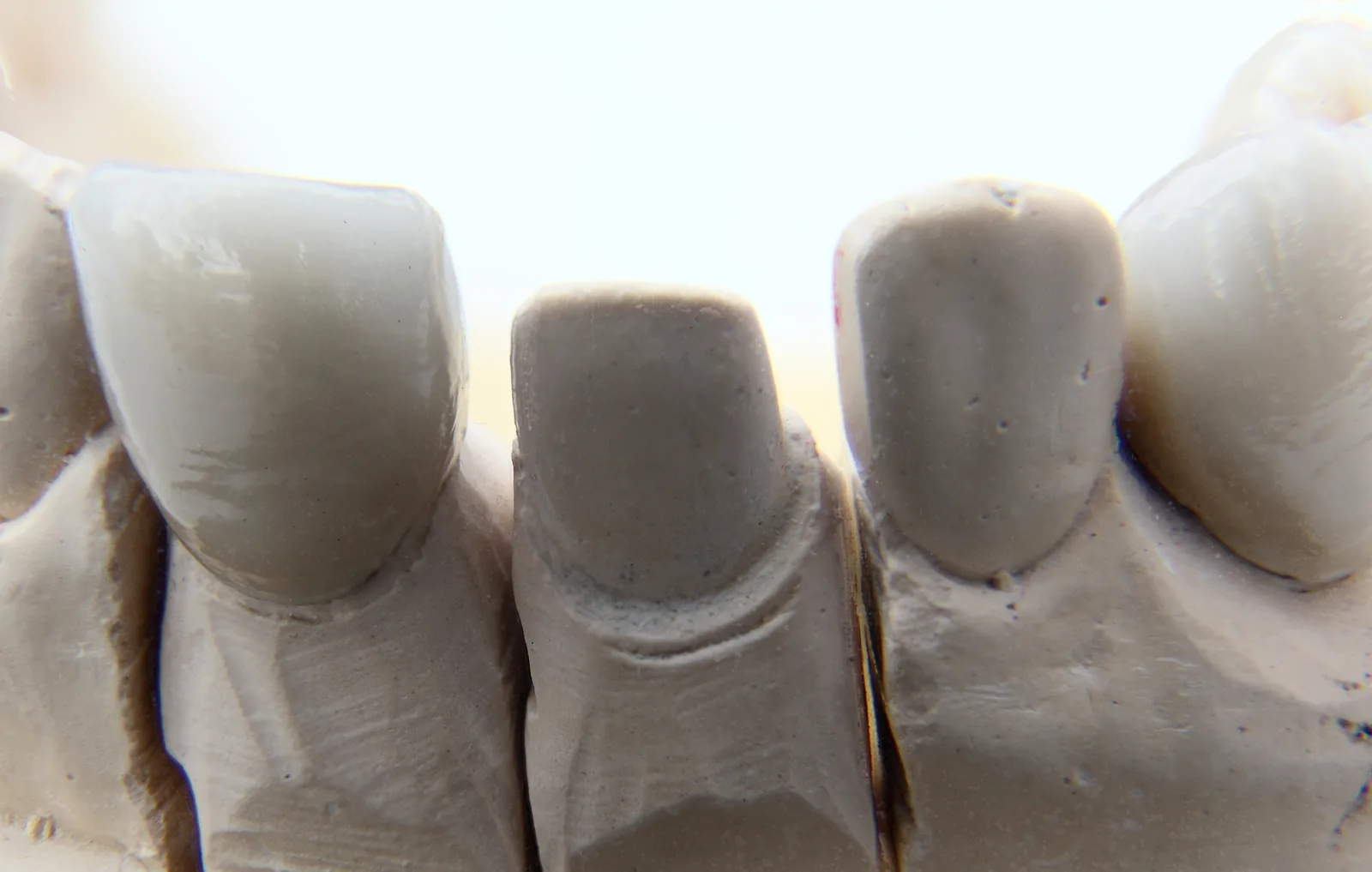
Image: Bin im Garten · BY-SA 3.0 · Source
Gold crowns aren't just old-fashioned. Here's why some dentists still recommend them, especially for back teeth, and what they actually cost.
What Are Gold Crowns?
Gold crowns are typically made from a gold alloy, combined with other metals like copper or palladium for added strength, rather than pure gold, which would be too soft for regular dental use. This alloy composition gives gold crowns their distinctive durability.
Why Some Dentists Still Recommend Gold
Gold is exceptionally durable and resistant to fracture or chipping, even under significant, prolonged bite force, making it a strong long-term option for back molars that handle the most chewing pressure. It's also notably gentle on the opposing natural teeth it bites against during chewing, causing less wear on those teeth over time compared to some harder ceramic materials.
The Obvious Trade-Off: Appearance
The clear downside is appearance — gold's metallic color is visibly different from natural tooth enamel, which is why gold crowns are almost exclusively used on back molars, where they're not visible during normal smiling or talking, rather than on front teeth.
Gold vs. Zirconia or Porcelain
Tooth-colored materials like zirconia and porcelain have become far more popular for their natural appearance, suitable anywhere in the mouth including highly visible front teeth. Gold remains a specific, deliberate choice mainly for back teeth in patients who prioritize maximum durability and are less concerned about a visible metal crown in an area rarely seen.
Who Chooses Gold Crowns Today
Patients with a history of heavy grinding, those specifically wanting the longest possible lifespan for a back molar crown, and people less concerned about visible metal on a rear tooth are the most common candidates choosing gold today, often after their dentist presents it as an option alongside more commonly chosen tooth-colored alternatives.
The Gold Crown Procedure
The process mirrors any standard crown procedure — the tooth is prepared, an impression or scan is taken, a temporary crown protects the tooth while the gold crown is fabricated in a lab, and the final crown is fitted and cemented at a follow-up visit.
How Long Do Gold Crowns Last?
Gold crowns are known for exceptional longevity, often lasting several decades with proper care, generally outperforming other crown materials in terms of sheer durability under heavy, sustained chewing force.
Cost Considerations
Gold crown pricing is affected by the current market price of gold itself, in addition to standard lab and procedure costs, meaning cost can fluctuate somewhat more than other crown materials based on gold's market value at the time of fabrication.
Frequently Asked Questions About Gold Crowns
Are gold crowns still commonly used today? They're less commonly chosen than they once were, given the popularity of tooth-colored alternatives like zirconia, but gold remains a legitimate, available option, particularly recommended by some dentists for back molars where durability is prioritized and visibility isn't a concern.
Is gold crown material actually pure gold? No, dental gold crowns use a gold alloy combined with other metals for added strength and durability, since pure gold alone would be too soft to reliably withstand the forces of chewing over time.
Can I get a gold crown on a front tooth? Technically yes, though it's rarely chosen for front teeth given the highly visible metallic appearance, which most patients find undesirable for teeth that show prominently when smiling or talking.
Are gold crowns more expensive than other materials? Cost varies and can be affected by current gold market prices in addition to standard procedure and lab costs, meaning gold crown pricing isn't always dramatically higher or lower than premium ceramic options — it depends on market conditions and your specific provider.
Is gold better than zirconia for someone who grinds their teeth? Both offer good durability for grinders, though gold is specifically known for being gentle on opposing teeth during heavy grinding, which is a genuine advantage some dentists highlight for patients with a significant grinding habit affecting back molars.