
Restorative Dentistry · 8 min read
Inlays and Onlays: The Restoration Between a Filling and a Crown
- Written by
- 1PleasantonDentist Editorial Team, Editorial team
- Reviewed by
- Editorial team
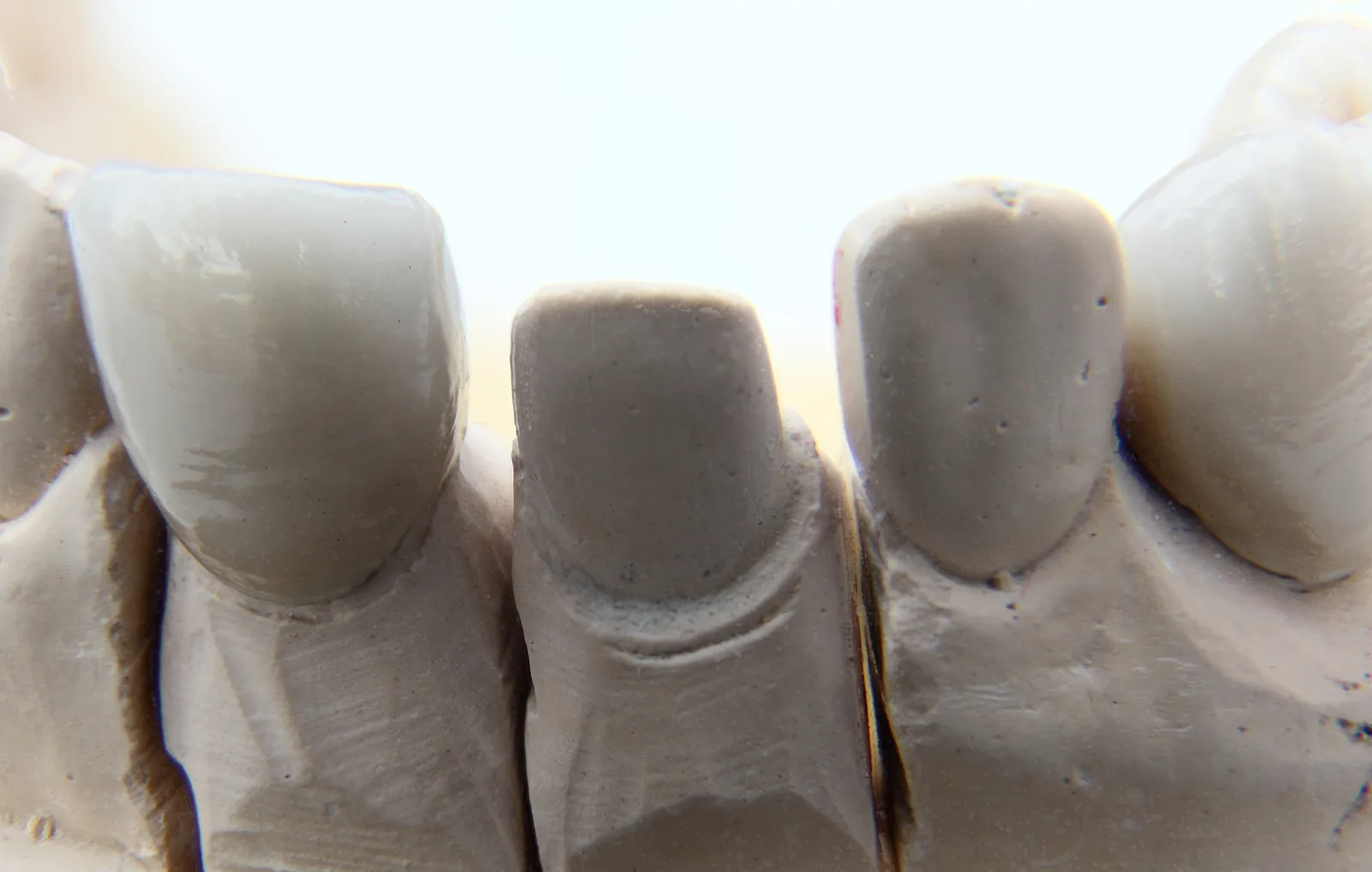
Image: Bin im Garten · BY-SA 3.0 · Source
Too much damage for a filling, not enough for a crown. Here's exactly what inlays and onlays are and when your dentist recommends one over the other.
What Is an Inlay?
An inlay is a custom-made restoration that fits within the grooves of a tooth's chewing surface, used when decay or damage is too extensive for a standard filling but doesn't extend to affect the tooth's chewing cusps, the raised points on the biting surface.
What Is an Onlay?
An onlay is similar to an inlay but extends to cover one or more of the tooth's chewing cusps, providing more coverage than an inlay while still preserving more of the natural tooth structure than a full crown would require.
How Are They Different From a Standard Filling?
A standard filling is placed directly into the tooth in a single visit, molded and hardened right in place. Inlays and onlays are custom-fabricated separately, either in a dental lab or via same-day in-office milling technology, then bonded into the prepared tooth as a precisely fitted, solid piece, generally offering more durability for larger areas of damage than a direct filling would provide.
How Are They Different From a Full Crown?
A crown covers the entire visible portion of a tooth above the gumline. Inlays and onlays cover only the specific damaged area, preserving significantly more of your natural, healthy tooth structure compared to the more extensive reshaping a full crown requires.
Materials Used
Inlays and onlays are commonly made from porcelain, composite resin, or gold, with porcelain and composite offering a more natural, tooth-colored appearance and gold offering exceptional durability, though its metallic color makes it a less common cosmetic choice for visible teeth today.
The Procedure
Similar to a crown, the process typically involves removing the damaged tissue, taking an impression or digital scan of the prepared area, and either sending it to a lab for fabrication or using in-office same-day technology to create the piece, which is then bonded into place, sometimes requiring a temporary restoration in the interim if lab fabrication is used.
When Does a Dentist Recommend an Inlay or Onlay Instead of a Filling?
When the extent of decay or damage is significant enough that a direct filling material might not provide adequate long-term strength or might be more prone to failure under normal chewing force, an inlay or onlay's more durable, precisely fitted design offers a more reliable long-term solution.
When Does a Dentist Recommend a Crown Instead?
If damage extends significantly further, compromising a large portion of the tooth's overall structure, or if the tooth has had a root canal and needs full protective coverage, a crown becomes the more appropriate option rather than an inlay or onlay, which are designed for more moderate, localized damage.
Durability Comparison
Inlays and onlays, particularly porcelain or gold versions, are generally considered more durable than a standard filling for moderate to larger areas of damage, often lasting a comparable timeframe to crowns, sometimes a decade or more with good care.
Cost Comparison
Inlays and onlays typically cost more than a standard filling, reflecting the custom fabrication process, but often cost somewhat less than a full crown, positioning them as a genuine middle-ground option both in terms of treatment scope and cost.