Restorative Dentistry · 8 min read
Lost a Filling or Crown? Here's What to Do Before Your Dentist Visit
- Written by
- 1PleasantonDentist Editorial Team, Editorial team
- Reviewed by
- Editorial team
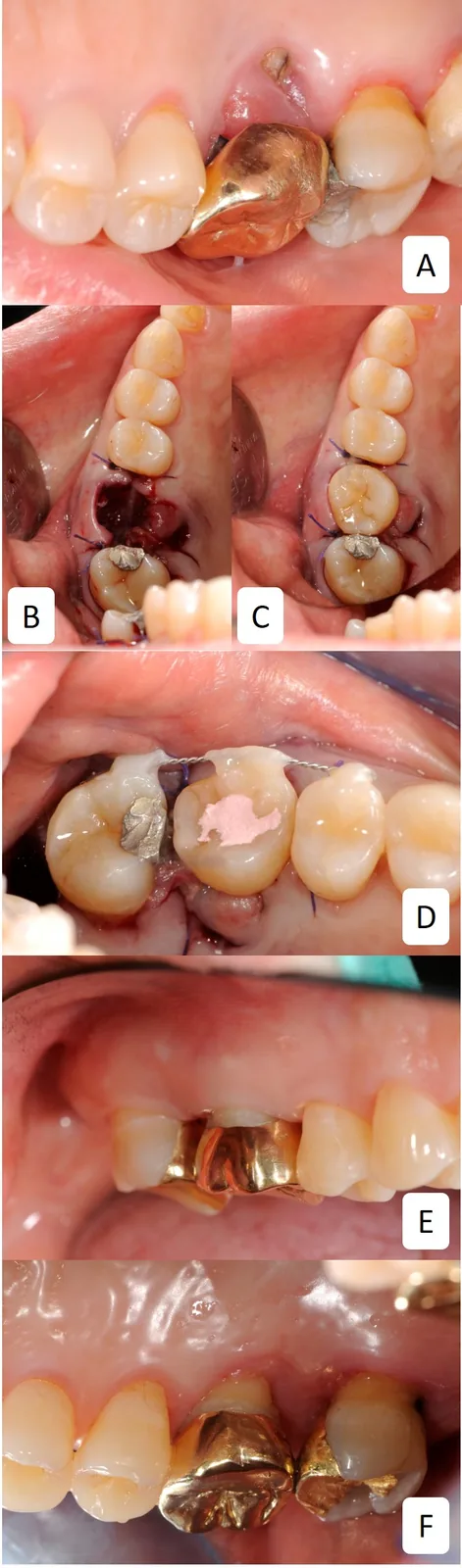
Image: Yonghoon Choi 최용훈, DDS, Ph.D, Associate professor · BY-SA 4.0 · Source
A missing filling or crown exposes sensitive tooth structure. Here's how to protect the tooth temporarily and what actually counts as urgent.
Why Losing a Filling or Crown Matters
Once a filling or crown comes out, the tooth structure underneath, which was previously protected, becomes directly exposed to temperature, pressure, and bacteria, which can cause discomfort and increases the risk of further damage or new decay if left unaddressed for too long.
Is This a True Emergency?
Generally, this falls into the category of "prompt attention needed" rather than a life-threatening emergency requiring an ER visit, unless it's accompanied by significant pain, swelling, or signs of infection, in which case it should be treated with the same urgency as any dental emergency involving those symptoms.
What to Do Immediately After Losing a Filling
Rinse your mouth gently with warm water to clear away any debris. If the area is sensitive, avoiding very hot, cold, or sweet foods and drinks on that side can help manage discomfort until you're seen. Over-the-counter dental cement, available at most pharmacies, can be used as a very temporary measure to cover the exposed area, though this is not a substitute for professional treatment.
What to Do Immediately After Losing a Crown
If you still have the crown, save it and bring it with you to your dental appointment, since your dentist may be able to re-cement the same crown if it's undamaged. Avoid chewing on that side of your mouth in the meantime, and if the exposed tooth is sensitive, similar precautions around temperature and pressure apply as with a lost filling.
Can You Use Household Items as a Temporary Fix?
This isn't generally recommended beyond over-the-counter dental cement specifically designed for this purpose. Using items like household glue or other adhesives not intended for oral use can be unsafe and shouldn't be used as a substitute for proper dental cement or professional treatment.
How Soon Should You See a Dentist?
While this typically isn't a same-hour emergency unless accompanied by significant pain or swelling, it's worth scheduling an appointment within a day or two, since the longer the tooth remains exposed and unprotected, the higher the risk of further complications, including new decay or increased sensitivity.
What Will Your Dentist Do?
For a lost filling, your dentist will typically clean the area and place a new filling. For a lost crown, if the crown is intact and undamaged, your dentist may be able to simply re-cement it; if it's damaged or the underlying tooth has changed, a new crown may be needed instead.
Can a Lost Filling or Crown Lead to Bigger Problems If Ignored?
Yes, the exposed tooth structure is more vulnerable to new decay and can become increasingly sensitive or even painful over time if left unaddressed, potentially requiring more extensive treatment, like a root canal, than would have been needed if the issue was addressed promptly.
What If There's Significant Pain After Losing a Filling or Crown?
If pain is significant, worsening, or accompanied by swelling, this shifts the situation toward a more urgent dental emergency, and contacting an emergency dental line or seeking prompt care, rather than waiting for a standard appointment, becomes the more appropriate response.
Preventing This From Happening Again
Regular dental checkups allow your dentist to monitor the condition of existing fillings and crowns, catching early signs of wear or loosening before they fail completely, which is part of why routine visits matter even when nothing feels obviously wrong.