Restorative Dentistry · 8 min read
Periapical vs. Periodontal Abscess: Two Different Infections, Two Different Sources
- Written by
- 1PleasantonDentist Editorial Team, Editorial team
- Reviewed by
- Editorial team
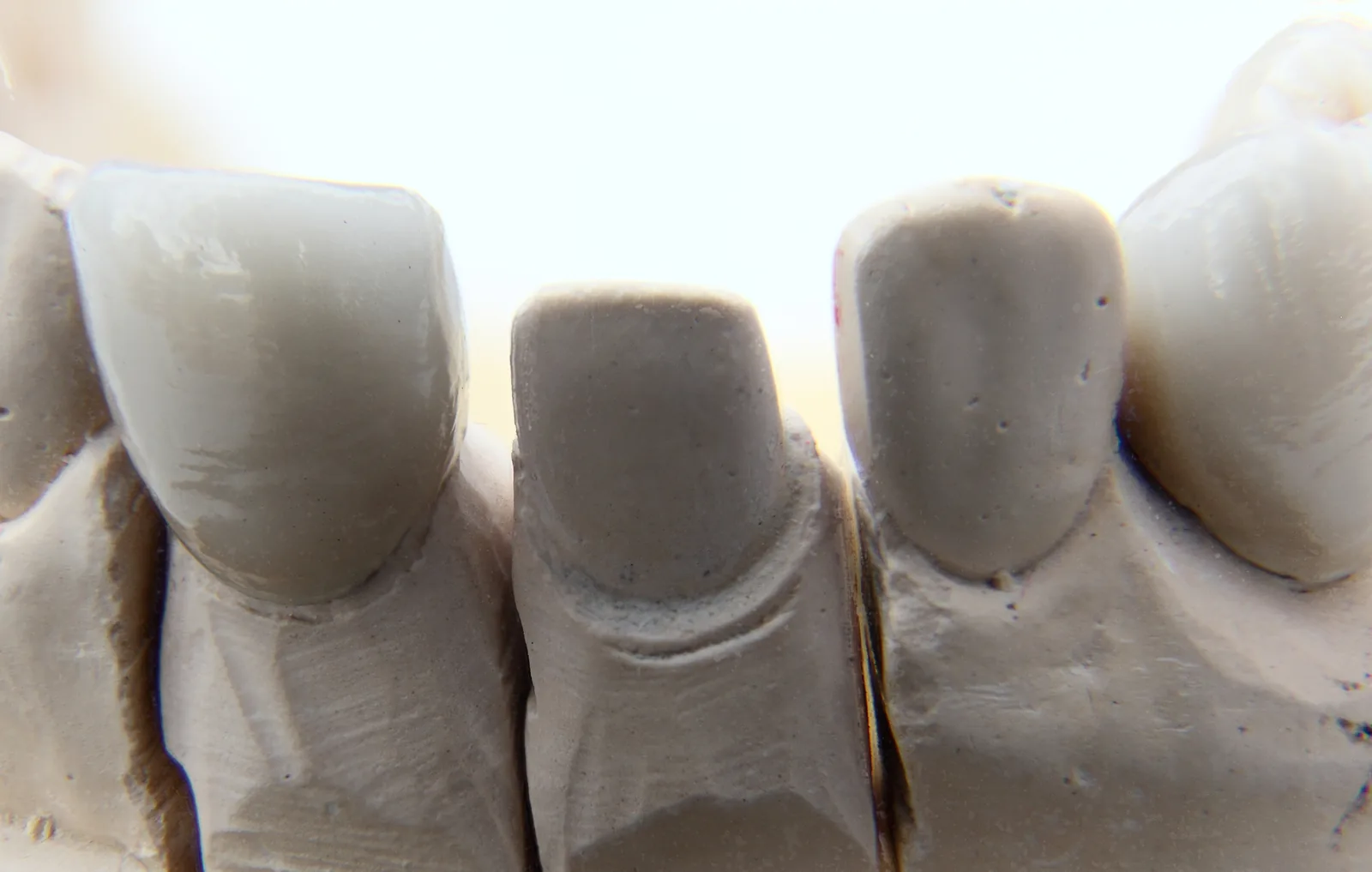
Image: Bin im Garten · BY-SA 3.0 · Source
Both are dental abscesses, but one starts inside a dead tooth and the other starts in the gum, and that distinction genuinely changes the treatment.
What Is a Periapical Abscess?
A periapical abscess originates from infection at the tip (apex) of a tooth's root, typically resulting from bacteria reaching the tooth's dead or dying pulp through deep decay, trauma, or a failed previous restoration, with the infection then spreading to the bone at the root tip.
What Is a Periodontal Abscess?
A periodontal abscess originates from the gum and supporting structures around a tooth, typically related to advanced gum disease or bacteria becoming trapped in a deep periodontal pocket, rather than originating from the tooth's internal pulp.
Why Does This Distinction Matter for Treatment?
These have genuinely different underlying sources requiring different treatment approaches — a periapical abscess typically requires root canal treatment (or extraction) addressing the infected pulp, while a periodontal abscess is addressed through periodontal treatment, such as draining and cleaning the affected pocket, without necessarily needing any treatment to the tooth's internal pulp at all.
Can These Two Types of Abscess Feel Different?
There can be some differences, though significant overlap exists — both typically cause pain and swelling in the affected area, making clinical evaluation, including specific pulp testing to check whether the tooth's nerve is still alive, genuinely important for accurately distinguishing between them rather than relying on symptoms alone.
How Does a Dentist Determine Which Type of Abscess Is Present?
Testing the tooth's pulp vitality, typically using cold or electrical stimulation to check for a normal response, combined with X-ray imaging showing the specific location of bone involvement, and clinical examination of gum pocket depths, together help distinguish between these two possibilities.
Can a Tooth Have Both Types of Infection at Once?
Yes, in some more complex cases, a tooth can have infection originating from both the pulp and a separate periodontal source, sometimes called a combined lesion, which requires addressing both aspects as part of comprehensive treatment.
Does a Periodontal Abscess Always Occur in Someone With Known Gum Disease?
Often, yes, this is commonly associated with existing periodontal disease, though it can occasionally occur even in someone without a previously diagnosed gum disease history, particularly if something like food debris becomes trapped in a pocket that wasn't previously causing obvious problems.
How Urgently Should Either Type of Abscess Be Treated?
Both types warrant prompt dental attention, since untreated infection of either type can potentially spread or worsen, making timely evaluation and treatment genuinely important regardless of which specific type is ultimately diagnosed.
Can Antibiotics Alone Resolve Either Type of Abscess?
Antibiotics may be used as part of managing acute symptoms or spreading infection, but they don't address the underlying source, meaning definitive treatment, whether root canal treatment for a periapical abscess or periodontal treatment for a periodontal abscess, remains necessary for actually resolving the problem rather than antibiotics alone providing a complete, lasting solution.
Should You Try to Determine Which Type You Have Before Seeing a Dentist?
No, this genuinely requires professional clinical evaluation and testing to accurately distinguish, making prompt evaluation by your dentist, rather than attempting to self-diagnose the specific type, the appropriate response to any suspected dental abscess.