
Restorative Dentistry · 8 min read
Porcelain Fused to Metal (PFM) Crowns: The Reliable Older Standard
- Written by
- 1PleasantonDentist Editorial Team, Editorial team
- Reviewed by
- Editorial team
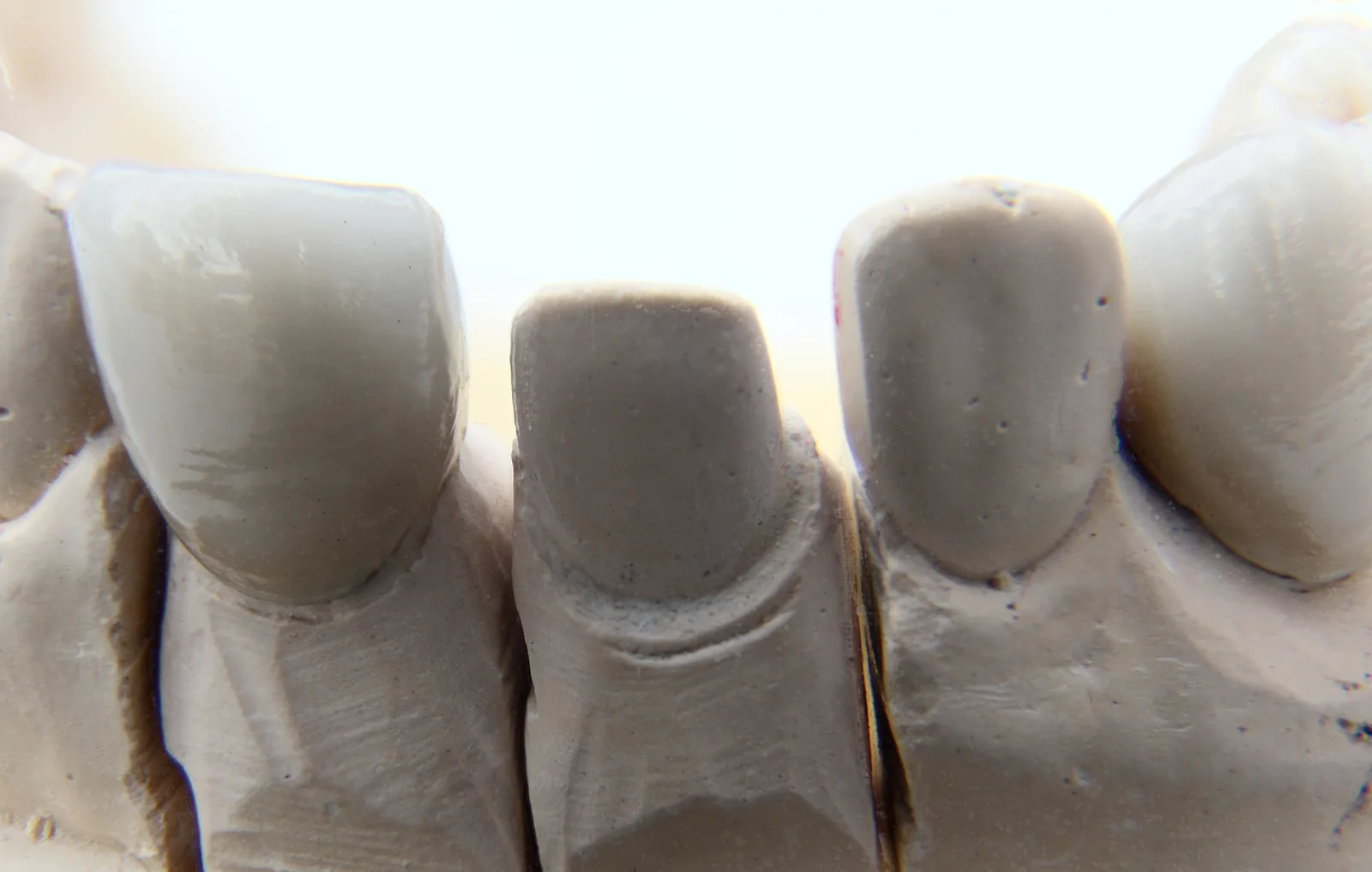
Image: Bin im Garten · BY-SA 3.0 · Source
Before all-ceramic crowns became dominant, this hybrid design combining a metal core with porcelain covering was the reliable go-to option, and it's still used today.
What Are PFM Crowns?
Porcelain fused to metal (PFM) crowns are a hybrid restoration combining a metal substructure, providing strength, with a layer of tooth-colored porcelain fused over it, providing a natural cosmetic appearance.
Why Was This Combination Historically So Popular?
This design offered a genuinely valuable combination at the time — the metal core provided reliable strength and precise fit, while the porcelain layer offered a considerably better cosmetic appearance than an all-metal crown, making PFM a practical, effective compromise before all-ceramic materials matured into a strong enough standalone option.
What Is the Genuine Downside of PFM Crowns?
The most commonly discussed cosmetic drawback is the possibility of a visible dark or gray line appearing at the gumline over time, particularly as gums naturally recede somewhat with age, exposing the metal margin beneath the porcelain layer.
Why Does This Dark Line Appear Specifically at the Gumline?
The metal substructure typically extends to the very edge of the crown at the gumline for a precise, reliable fit, meaning as gum tissue recedes and exposes more of this margin over the years, the metal itself, or a shadow it casts through the thinner porcelain in that specific area, can become visible.
Are All PFM Crowns Equally Prone to This Issue?
Some techniques and specific crown designs minimize this risk more than others, and this concern is generally more relevant for front, visible teeth than back teeth where cosmetic appearance matters less, though it remains a genuine consideration worth discussing if you're considering this material for a visible tooth.
Are PFM Crowns Still Used Today?
Yes, this remains a valid, commonly used option, particularly for back teeth where strength is a priority and the cosmetic margin concern is less relevant, and for situations where a dentist specifically values PFM's particular strength and fit characteristics for a specific clinical situation.
How Does PFM Compare to All-Ceramic Options Like Zirconia for Strength?
Modern zirconia has closed much of the strength gap that once favored metal-containing crowns, meaning this specific advantage of PFM is less pronounced compared to older ceramic materials, though PFM still offers reliable, well-established strength for many clinical situations.
Does PFM Cause Any Metal Allergy Concerns?
For patients with a known metal sensitivity, this is a relevant consideration, and disclosing any known allergies to your dentist allows them to select an appropriate crown material, whether a different metal alloy or an all-ceramic alternative entirely, avoiding this concern.
Is PFM Less Expensive Than All-Ceramic Options?
This can vary by provider and specific case, though PFM has traditionally been positioned as a somewhat more affordable option compared to some premium all-ceramic materials, making cost a relevant factor some patients and dentists still consider when choosing this option.
Who Might Still Be a Good Candidate for a PFM Crown?
People needing a crown on a back tooth where cosmetic margin concerns are less relevant, situations where a dentist specifically values PFM's established strength and fit characteristics, and patients for whom cost is a significant consideration compared to premium all-ceramic alternatives are commonly reasonable candidates.
Should You Ask Your Dentist Why They're Recommending PFM Specifically?
Yes, this is a reasonable question, and your dentist can explain their specific reasoning for your particular tooth and situation, helping you understand whether this reflects a genuine clinical preference for your case or simply their practice's standard default option.