Restorative Dentistry · 8 min read
Post-Root Canal Recovery: What's Normal and What Needs a Call to Your Dentist
- Written by
- 1PleasantonDentist Editorial Team, Editorial team
- Reviewed by
- Editorial team
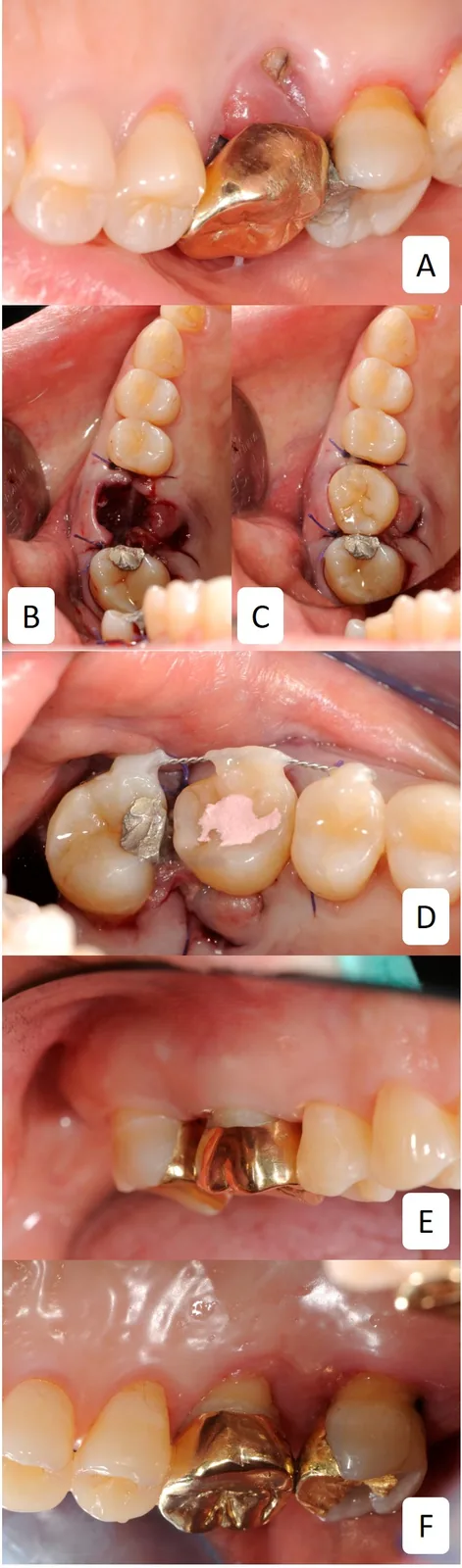
Image: Yonghoon Choi 최용훈, DDS, Ph.D, Associate professor · BY-SA 4.0 · Source
The days after a root canal involve some predictable discomfort, but there's a real difference between expected soreness and something worth reporting.
Is Some Discomfort Normal After a Root Canal?
Yes, mild to moderate soreness in the treated tooth and surrounding area for a few days following treatment is a normal, expected part of recovery, related to the inflammation from both the original infection and the treatment process itself.
How Long Does Typical Post-Root Canal Discomfort Last?
Most patients experience gradually improving discomfort over the first few days, with significant improvement typically noted within a week, though the exact timeline varies based on how significant the original infection was and individual healing.
What Can You Do to Manage Normal Post-Treatment Discomfort?
Over-the-counter pain relief as recommended by your dentist, avoiding chewing directly on the treated tooth until any temporary or permanent restoration is properly in place, and sticking to softer foods during the initial recovery period can all help manage typical discomfort.
Is It Normal for the Tooth to Feel Slightly Different When Biting Down?
Yes, some tenderness specifically when biting down on the treated tooth is common initially, related to inflammation in the tissue around the tooth's root, and this generally improves as healing progresses over the following days.
When Should You Contact Your Dentist After a Root Canal?
Significant, worsening pain rather than gradual improvement, noticeable swelling, particularly if it seems to be increasing, fever, or a temporary filling or crown that comes loose or falls out are all reasons to contact your dentist promptly rather than waiting.
Does Swelling After a Root Canal Always Indicate a Problem?
Some mild swelling can be part of normal, expected healing, though significant or worsening swelling is worth reporting to your dentist, since this could indicate the infection wasn't fully resolved or another complication is developing.
How Should You Care for the Tooth During the Days Immediately Following Treatment?
Continuing gentle brushing and flossing around the area, being mindful not to chew directly on the treated tooth until appropriate, and following any specific instructions your dentist provided regarding a temporary filling or crown are all important parts of proper care during this window.
When Will You Get Your Permanent Restoration After a Root Canal?
This varies by your specific treatment plan, but a permanent crown or filling is typically placed within a few weeks following the root canal, once your dentist confirms the tooth is healing appropriately, since a root canal-treated tooth generally needs this more substantial protective restoration to prevent future fracture.
Why Does a Root Canal-Treated Tooth Often Need a Crown Afterward?
A tooth that's had a root canal has typically lost some structural integrity, both from the original decay or damage and from the access needed during treatment, making it more prone to fracture without the additional protection a crown provides, particularly for back teeth handling significant bite force.
Can You Return to Normal Activities Right After a Root Canal?
Most patients can resume normal daily activities shortly after treatment, once any local anesthesia has worn off, though avoiding chewing on the treated side until appropriate and following any specific restrictions your dentist mentions remains important.
Does Recovery Differ if the Root Canal Was on a Front Tooth Versus a Back Tooth?
The general healing process is similar regardless of location, though back teeth handling more bite force often specifically require a crown afterward for adequate protection, while some front teeth, depending on the extent of remaining structure, might be managed with a different type of restoration.