
Restorative Dentistry · 8 min read
Root Canal Retreatment: What Happens When the First One Fails
- Written by
- 1PleasantonDentist Editorial Team, Editorial team
- Reviewed by
- Editorial team
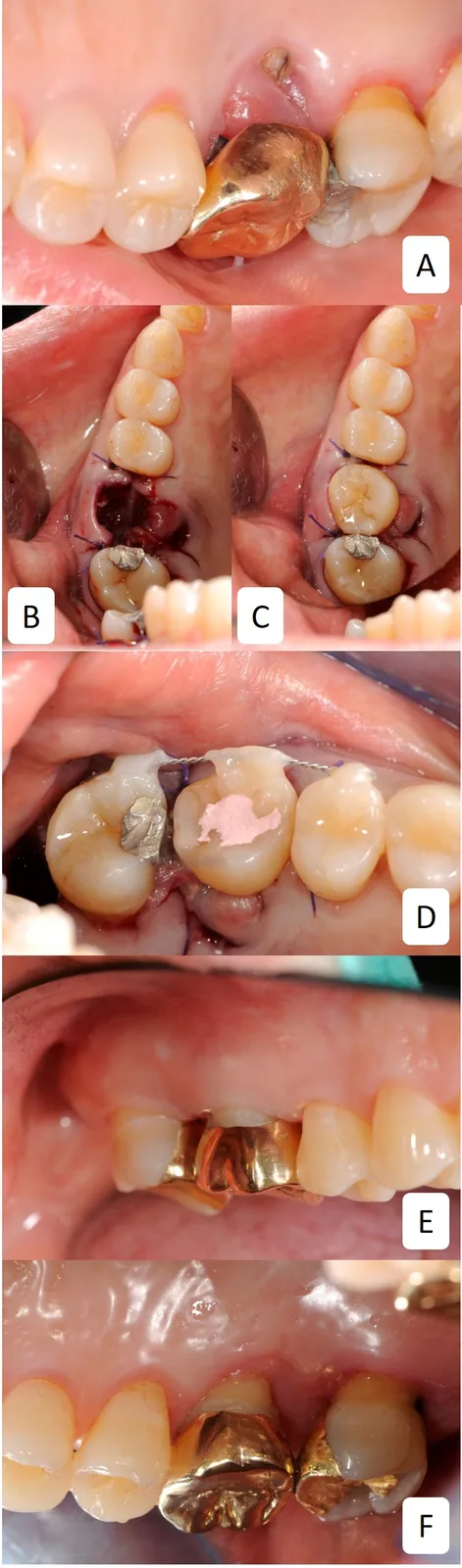
Image: Yonghoon Choi 최용훈, DDS, Ph.D, Associate professor · BY-SA 4.0 · Source
A previously treated tooth can still develop a new infection years later. Here's exactly what retreatment involves and why it's different the second time.
Why Would a Root Canal Need Retreatment?
New decay reaching the previously sealed canal, a crack or fracture that developed in the tooth after the original treatment, a loose or failing crown that allowed bacteria to reach the canal again, or complex canal anatomy that wasn't fully addressed during the original procedure are all reasons a previously treated tooth can develop a new infection requiring retreatment.
How Do You Know You Need Retreatment?
Symptoms similar to the original problem — pain, swelling, or tenderness around a previously treated tooth — are the most common signs, though sometimes a new issue is identified on a routine X-ray before you notice any symptoms yourself.
How Is Retreatment Different From the Original Root Canal?
The process involves reopening the tooth, which may mean removing an existing crown or filling first, removing the previous root canal filling material, thoroughly recleaning the canals, addressing whatever new issue has developed, and resealing the tooth, generally followed by a new crown if the tooth had one previously that needed to be removed for access.
Is Retreatment More Complicated Than a First-Time Root Canal?
Often, yes, since the canals have already been shaped and filled once, requiring careful removal of that previous material before addressing the new infection, along with potentially working around an existing crown or post that needs to be managed during the process.
How Successful Is Retreatment?
Retreatment has a reasonably good track record for resolving persistent infections in appropriate cases, though success rates can be somewhat lower than a first-time root canal, given the more complex nature of working with a previously treated tooth, which is part of why your endodontist evaluates each case individually.
What If Retreatment Isn't a Good Option?
If the tooth's anatomy or the specific complication makes retreatment impractical or unlikely to succeed, an apicoectomy, which addresses the infection from the root tip through a minor surgical approach, may be considered instead. If neither approach is viable, extraction becomes the remaining option.
How Long Does Retreatment Take?
This varies by case complexity, but retreatment often takes somewhat longer than an initial root canal, given the additional steps involved in removing previous filling material and addressing whatever new issue has developed, sometimes requiring more than one appointment.
Recovery After Retreatment
Recovery is generally similar to an initial root canal, involving some soreness in the days following the procedure, typically manageable with over-the-counter or prescribed pain relief, with most people returning to normal activities within a few days.
Who Performs Root Canal Retreatment?
This is commonly performed by an endodontist, a specialist in this specific area, given the added complexity compared to a first-time procedure, though a general dentist may handle more straightforward retreatment cases depending on their experience and comfort with the specific situation.
Cost of Retreatment Compared to a First-Time Root Canal
Retreatment is often priced somewhat higher than an initial root canal, reflecting the additional time and complexity involved, and it's worth confirming whether your insurance coverage treats retreatment the same as an initial procedure or applies different terms.