Restorative Dentistry · 8 min read
Single-Tuft Brushes: The Small Tool for the Spots Nothing Else Reaches
- Written by
- 1PleasantonDentist Editorial Team, Editorial team
- Reviewed by
- Editorial team
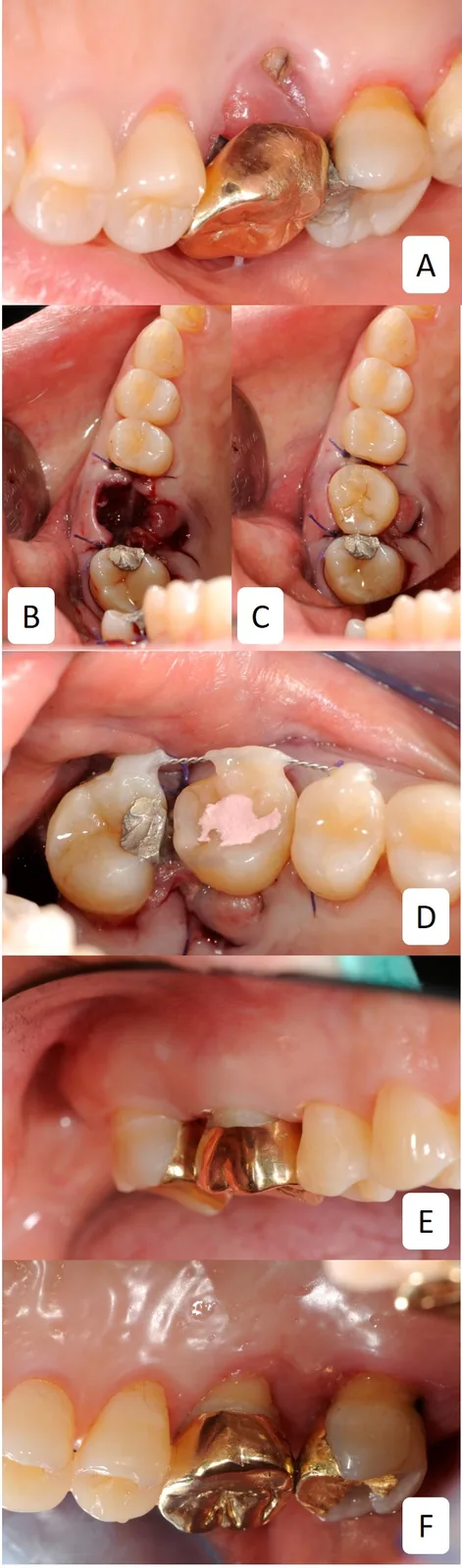
Image: Yonghoon Choi 최용훈, DDS, Ph.D, Associate professor · BY-SA 4.0 · Source
This narrow, pointed brush is specifically designed for the awkward, isolated areas that standard toothbrushes and floss genuinely can't access well.
What Is a Single-Tuft Brush?
A single-tuft brush, sometimes called an interspace brush, is a small oral hygiene tool with a compact cluster of bristles at the end of a narrow handle, designed to precisely target specific, isolated areas rather than sweeping across a broader surface the way a standard toothbrush does.
What Specific Situations Call for a Single-Tuft Brush?
The very back surface of your last molar, areas around an isolated gap or missing tooth space, the specific area underneath a dental bridge's false tooth, around orthodontic brackets, and other similarly isolated, hard-to-reach spots are all common, appropriate uses for this specific tool.
Why Can't a Standard Toothbrush Adequately Clean These Spots?
A standard toothbrush head is designed for sweeping across a broader tooth surface, meaning its size and bristle arrangement genuinely aren't optimized for reaching into narrow, isolated, or awkwardly positioned areas the way a single-tuft brush's compact, precise design allows.
How Is This Different From a Regular Interdental Brush?
A standard interdental brush, discussed elsewhere, is generally designed to pass through the space between two adjacent teeth, while a single-tuft brush is used more for targeting a specific isolated spot or surface rather than passing through a gap, representing a somewhat different application even though both are specialized, smaller tools.
Who Might Specifically Benefit From Using a Single-Tuft Brush?
People with dental bridges needing to clean underneath the false tooth, orthodontic patients needing to clean precisely around brackets and wires, people with an isolated gap from a missing tooth, and anyone with a specific, isolated area their dentist has identified as needing more targeted attention are all reasonable candidates for this tool.
How Is a Single-Tuft Brush Actually Used?
The small, focused bristle tip is gently guided directly to the specific target area, using small, precise movements to clean that isolated spot, rather than the broader sweeping motion used with a standard toothbrush.
Does a Single-Tuft Brush Replace the Need for Regular Brushing and Flossing?
No, this is specifically a supplementary tool for targeting particular isolated areas, used alongside, not instead of, your regular complete toothbrushing and flossing routine.
Can a Single-Tuft Brush Be Used Around Dental Implants?
Yes, this can be a useful tool for carefully cleaning around implant abutments and the specific areas around implant-supported restorations, similar to how it's used for other isolated, precision-cleaning needs.
How Often Should a Single-Tuft Brush Be Replaced?
Similar to standard toothbrush replacement guidance, replacing this tool every few months, or sooner if the bristles show visible wear, helps maintain its effectiveness.
Should Your Dentist Specifically Recommend This Tool, or Can You Simply Decide to Use One Yourself?
While these are available for anyone to purchase and try, having your dentist specifically identify areas that would benefit from this targeted tool, and demonstrating proper technique for your particular situation, ensures you're using it most effectively for your specific needs.
Is a Single-Tuft Brush Difficult to Learn to Use Properly?
Generally, no, this is a fairly intuitive tool once you understand its specific purpose, though your dentist or hygienist can demonstrate proper technique during a visit if you're unsure about effectively targeting your specific area of concern.