Restorative Dentistry · 8 min read
Zirconia Crowns: Why Dentists Increasingly Recommend This Material
- Written by
- 1PleasantonDentist Editorial Team, Editorial team
- Reviewed by
- Editorial team
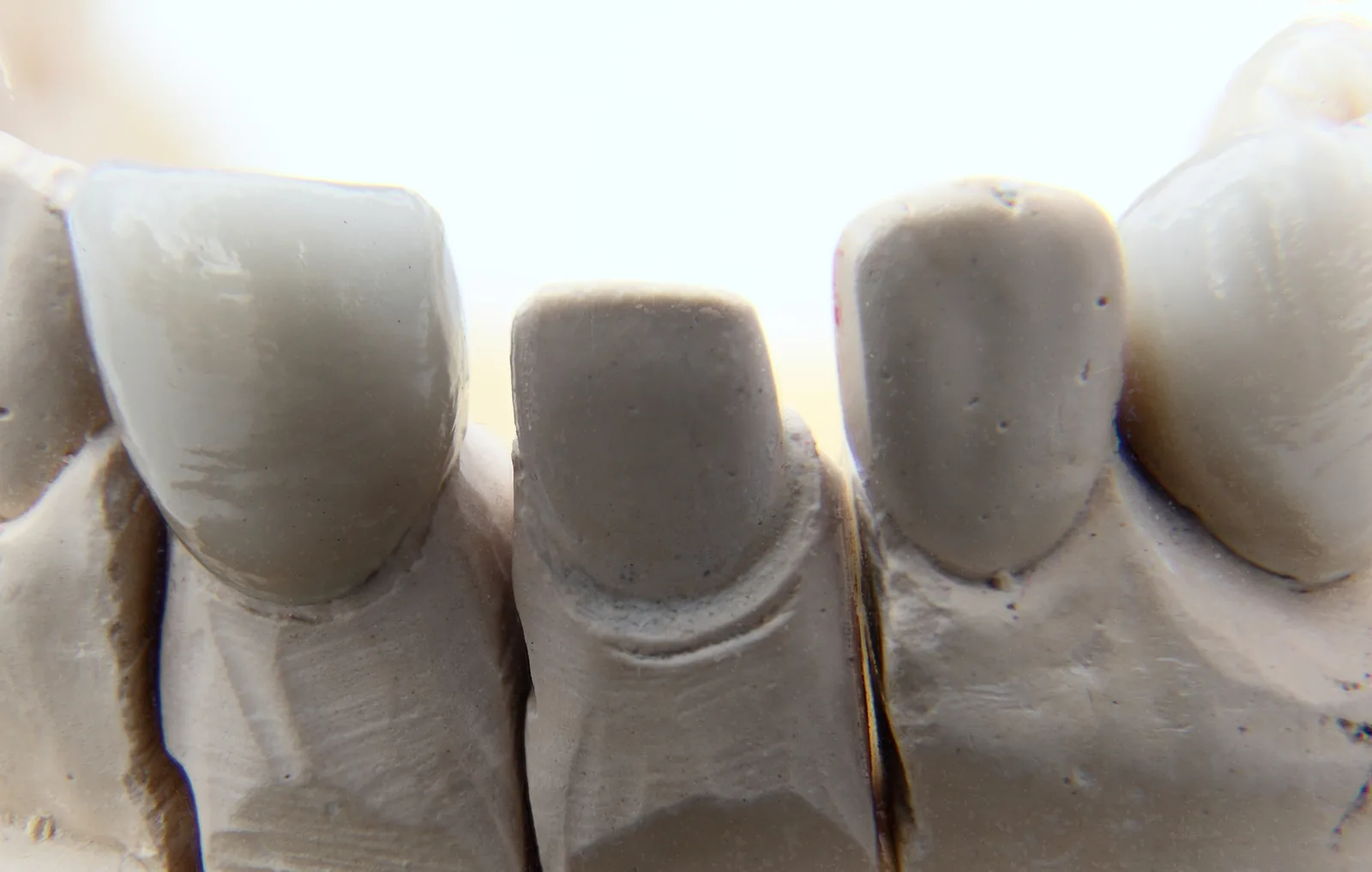
Image: Bin im Garten · BY-SA 3.0 · Source
Zirconia has become one of the most popular crown materials. Here's why, how it compares to other options, and what to expect if you choose it.
What Is Zirconia?
Zirconia is a strong, durable ceramic material, chemically related to zirconium, that's been adapted for dental use due to its combination of strength, wear resistance, and the ability to be shaded to closely match natural tooth color.
Why Zirconia Has Become So Popular
It offers a strength profile closer to metal-based crowns while still providing the natural, tooth-colored appearance that all-ceramic materials are valued for, which historically required a trade-off between strength and appearance with older crown materials. This combination makes zirconia a versatile choice suitable for both front teeth, where appearance matters most, and back teeth, which need to withstand significant chewing force.
Types of Zirconia Crowns
Some zirconia crowns are fully monolithic, made entirely from a single solid block of zirconia, maximizing strength. Others use a layered approach, with a zirconia core for strength topped with a porcelain layer for enhanced translucency and a more natural appearance, offering a middle ground between maximum strength and maximum aesthetic refinement.
Zirconia vs. Porcelain Crowns
Porcelain crowns, particularly older-style all-porcelain options, are generally valued for excellent aesthetics but can be more prone to chipping or fracturing under heavy bite force compared to zirconia. Zirconia offers greater strength, making it a common choice for back teeth or for patients who grind their teeth, while modern layered zirconia options have significantly closed the aesthetic gap that once favored porcelain more clearly.
Zirconia vs. Metal-Based Crowns
Traditional metal or porcelain-fused-to-metal crowns are highly durable but either lack a natural tooth-colored appearance entirely (in the case of full metal) or can show a visible metal line at the gumline over time (with porcelain-fused-to-metal). Zirconia offers a metal-free alternative with comparable strength and a fully tooth-colored appearance throughout.
The Zirconia Crown Procedure
The process is similar to getting any crown — the tooth is prepared and reshaped, an impression or digital scan is taken, and the crown is either fabricated in a lab over one to two weeks or, in some practices, milled in-office the same day using CAD/CAM technology, since zirconia is well suited to this same-day manufacturing process.
Caring for a Zirconia Crown
Zirconia crowns are cared for the same way as natural teeth or any other crown material, with regular brushing and flossing, and routine dental checkups to monitor the crown and surrounding gum health over time.
How Long Do Zirconia Crowns Last?
Zirconia crowns are known for their durability and often last well over a decade, sometimes considerably longer, with proper care, comparing favorably to other crown materials in terms of long-term strength and wear resistance.
Cost Considerations
Zirconia crowns are often priced similarly to or somewhat higher than other premium crown materials, reflecting the material cost and, in some cases, the same-day milling technology used to fabricate them. Cost varies by provider, location, and whether monolithic or layered zirconia is used.
Frequently Asked Questions About Zirconia Crowns
Do zirconia crowns look as natural as porcelain? Modern layered zirconia crowns are designed to closely match the translucency and appearance of natural teeth, and for most patients, the aesthetic difference compared to porcelain is minimal, particularly with advances in zirconia shading and layering techniques.
Are zirconia crowns good for people who grind their teeth? Yes, zirconia's strength makes it a commonly recommended option for patients who grind their teeth, since it holds up well under the additional force grinding places on a crown compared to some more brittle materials.
Can zirconia crowns be used on front teeth? Yes, particularly layered zirconia options are well suited to front teeth, offering both the strength benefits of zirconia and an aesthetic appearance suitable for highly visible areas of the smile.
Is zirconia safe for people with metal allergies? Zirconia is a metal-free ceramic material, making it a suitable option for patients specifically looking to avoid metal-containing dental restorations due to a known metal sensitivity or personal preference.
How do I know if zirconia is the right crown material for me? This depends on the location of the tooth, your bite force and grinding habits, your aesthetic priorities, and your dentist's specific recommendation based on your individual case. Discussing the trade-offs between zirconia and other available materials directly with your dentist helps determine the best fit for your situation.